Solar Lighting Solutions for Urban Infrastructure Supporting Sustainable, Safe, and Smart Cities
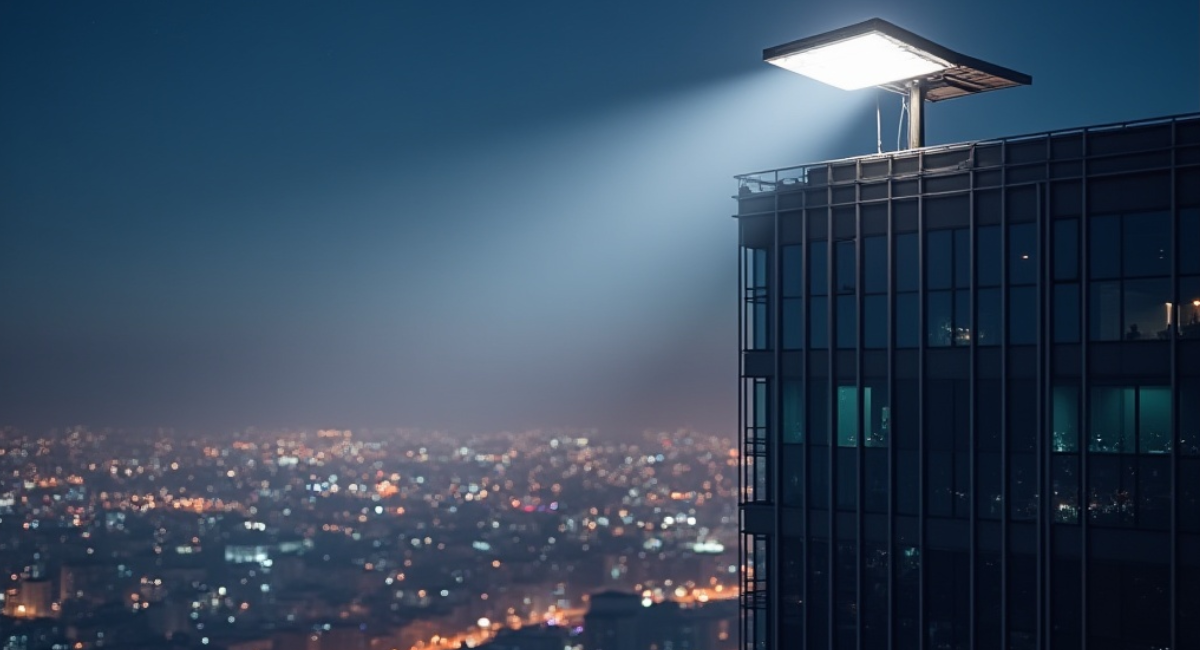
Solar lighting solutions support modern urban infrastructure through clean energy use. They improve public safety, reduce energy costs, and enhance city aesthetics. Moreover, solar lights serve both public and private spaces efficiently. Therefore, they play a vital role in building sustainable and resilient cities.
Solar lighting has become essential for urban development. Cities face rising energy demands and environmental challenges. Therefore, solar lighting offers a reliable solution. It uses renewable energy while supporting public and private infrastructure. Moreover, it improves safety, efficiency, and sustainability. As cities grow, solar lighting supports smarter and greener planning.
The use of solar energy has not been opened up because the oil industry does not own the sun.
Ralph Nader
Role of Solar Lighting in Public Urban Infrastructure
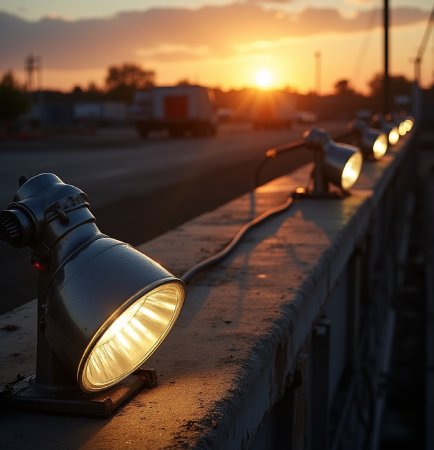
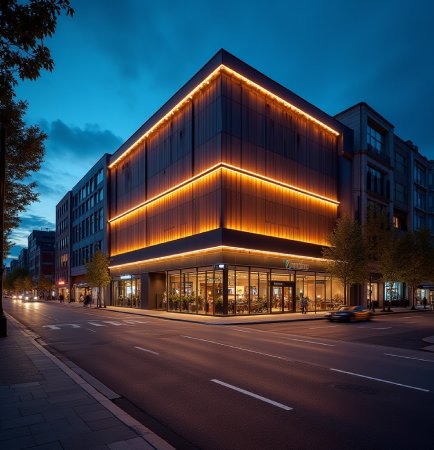
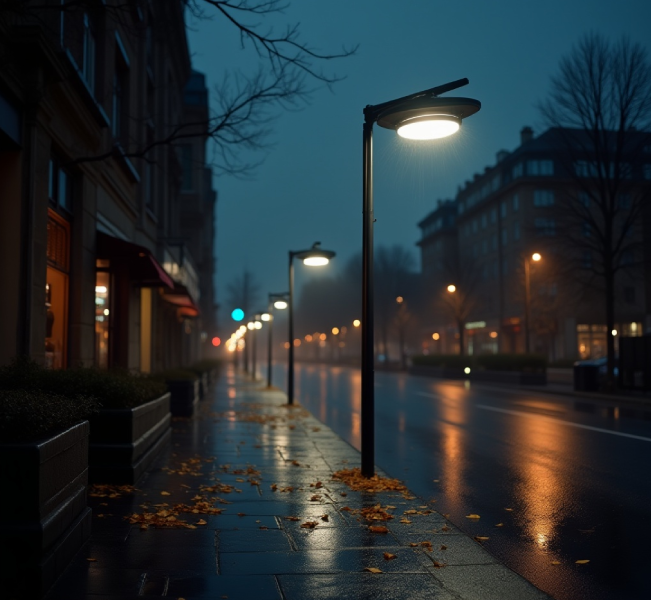
Solar lighting supports public infrastructure across cities. It powers streets, parks, and walkways. Therefore, public spaces remain visible and safe. Street lighting remains a primary application. Solar street lights illuminate roads and intersections. As a result, traffic safety improves significantly. Moreover, visibility increases for pedestrians and drivers.
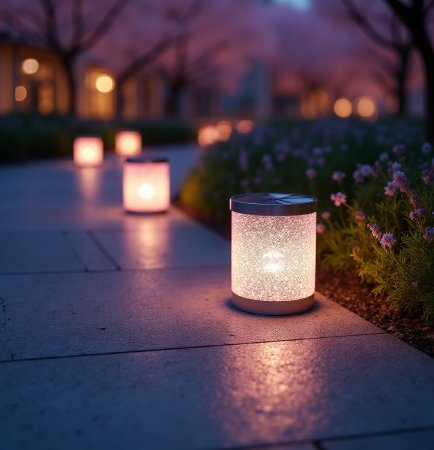
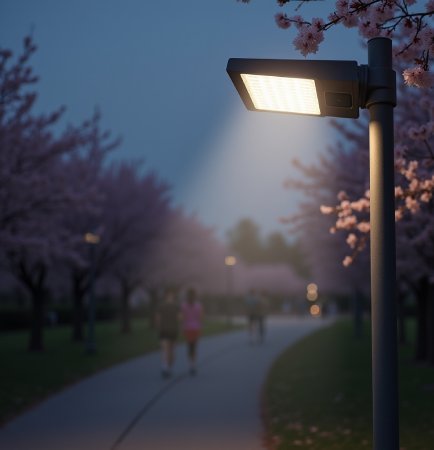
Parks and public spaces also benefit. Solar lights highlight pathways and seating areas. Consequently, public areas remain usable after dark. This improves accessibility and community engagement. Solar lighting reduces pressure on power grids. Public infrastructure operates independently. Therefore, cities manage energy demand more efficiently. This independence supports resilience during outages.
Additionally, solar lighting aligns with smart city initiatives. Integrated controls allow monitoring and optimization. Thus, cities improve performance while lowering operational costs.
Solar Lighting Applications in Private and Commercial Spaces
Solar lighting also supports private infrastructure. Homes, offices, and commercial properties benefit equally. Therefore, adoption continues to grow steadily. Residential areas use solar lights for pathways and gardens. These lights enhance safety and appearance. Moreover, homeowners reduce electricity expenses. As a result, long-term savings increase.
Commercial properties use solar lighting for parking areas. Well-lit spaces improve security and customer comfort. Therefore, businesses enhance their professional image naturally.
Industrial facilities also adopt solar lighting. Warehouses and yards require reliable illumination. Solar lights reduce dependency on grid power. Consequently, operations remain stable and cost-efficient. Private developers value flexibility. Solar lighting requires minimal wiring. Therefore, installation remains quick and adaptable. This flexibility supports diverse property layouts.
- Renewable energy
- Grid independence
- Lower emissions
- Cost savings
- Improved safety
- Easy installation
- Smart integration
- Urban resilience

Sustainability, Efficiency, and Long-Term Urban Benefits
Solar lighting promotes sustainability across urban infrastructure. It uses renewable solar energy daily. Therefore, carbon emissions reduce significantly. Energy efficiency remains a key advantage. Modern solar lights use LED technology. As a result, power consumption stays low. Brightness remains consistent and reliable.
Maintenance requirements remain minimal. Solar systems have fewer moving parts. Therefore, failure rates reduce. This lowers maintenance costs for cities and property owners. Solar lighting supports energy independence. Urban infrastructure relies less on fossil fuels. Consequently, cities gain resilience against energy shortages.
Long-term planning benefits greatly. Solar lighting aligns with environmental regulations. Therefore, cities meet sustainability goals more easily. Public trust also improves. Overall, solar lighting strengthens urban infrastructure. It balances performance, cost, and responsibility. Thus, it supports future-ready city development.
Recent Posts