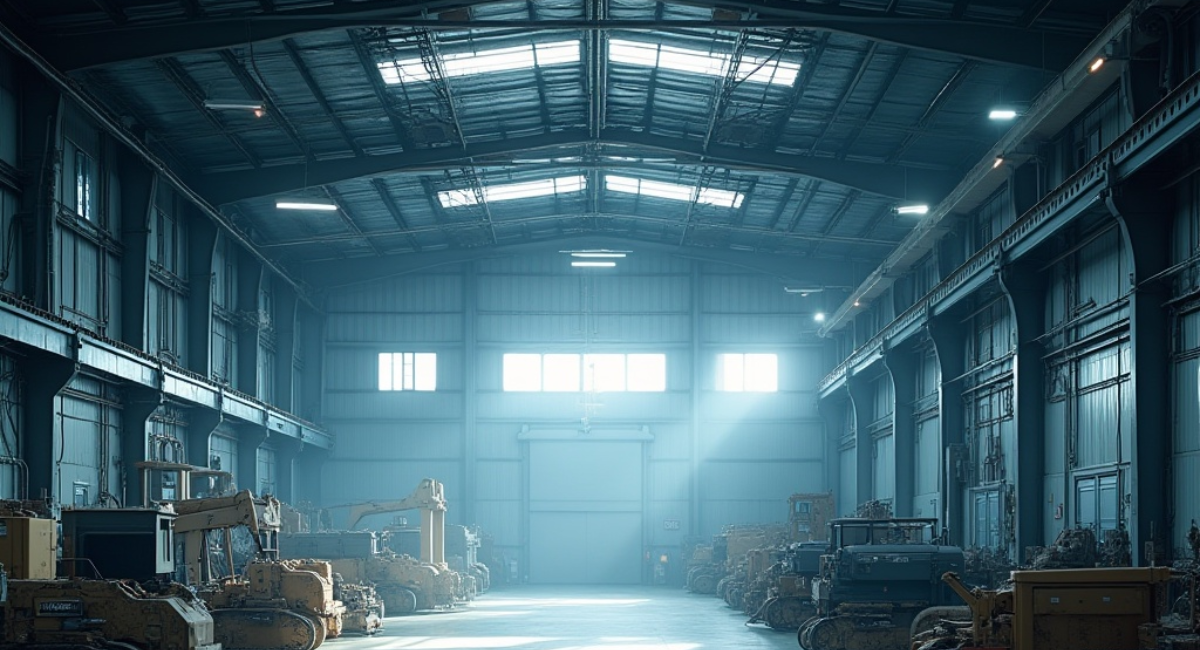
Choosing the Right Highbay Light for Your Facility: Smart Decisions Based on Ceiling Height, Layout, and Energy Efficiency
This article explains how to choose the right highbay light for industrial and commercial facilities. It focuses on ceiling height, layout planning, performance needs, and energy-efficient lighting decisions.
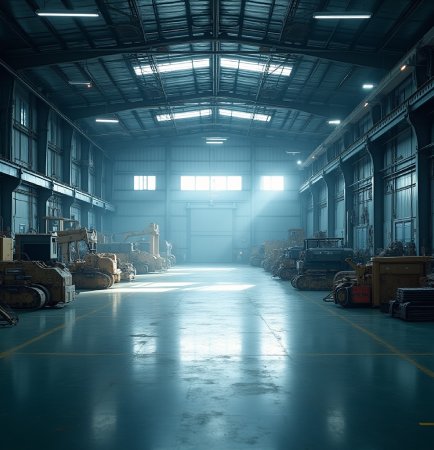
Highbay lights are designed for large indoor spaces. These spaces usually have high ceilings. Therefore, lighting must deliver strong and focused illumination. Proper selection improves visibility and safety.
Industries commonly use highbay lights in warehouses. Factories and logistics centers also rely on them. Moreover, gyms and large retail stores use highbay fixtures. As a result, lighting performance directly impacts operations.
Additionally, highbay lighting supports productivity and accuracy. Poor lighting causes errors and fatigue. Therefore, choosing the right fixture becomes essential. Well-planned lighting ensures comfort and efficiency.
Efficiency is doing things right; effectiveness is doing the right things.
Peter Drucker
Ceiling Height and Mounting Considerations
Ceiling height determines the type of highbay light required. Typically, highbay lights suit ceilings above 20 feet. Therefore, lumen output must match mounting height. Higher ceilings need higher lumen levels.
Moreover, beam angle selection is critical. Narrow beams suit very high ceilings. Meanwhile, wider beams work better for moderate heights. Consequently, correct beam angles ensure uniform illumination.
Mounting style also affects performance. Hook mounts suit open ceilings. Pendant mounts fit structured layouts. As a result, proper mounting enhances light distribution and reduces shadows.
Layout Planning and Light Distribution
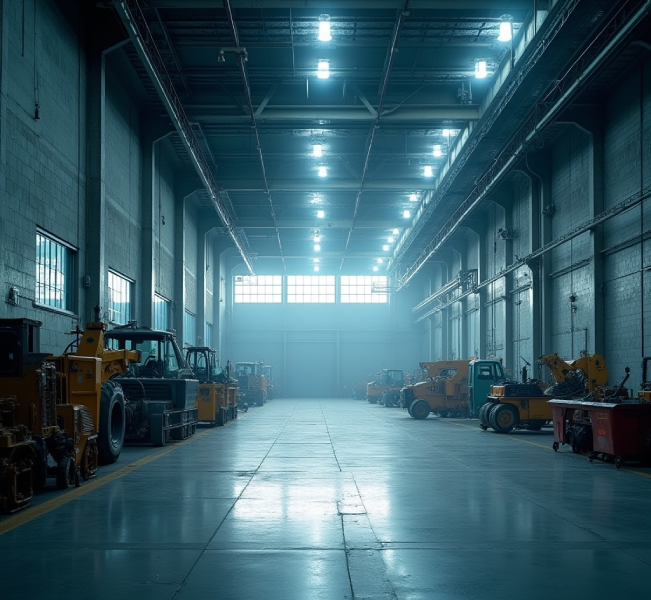
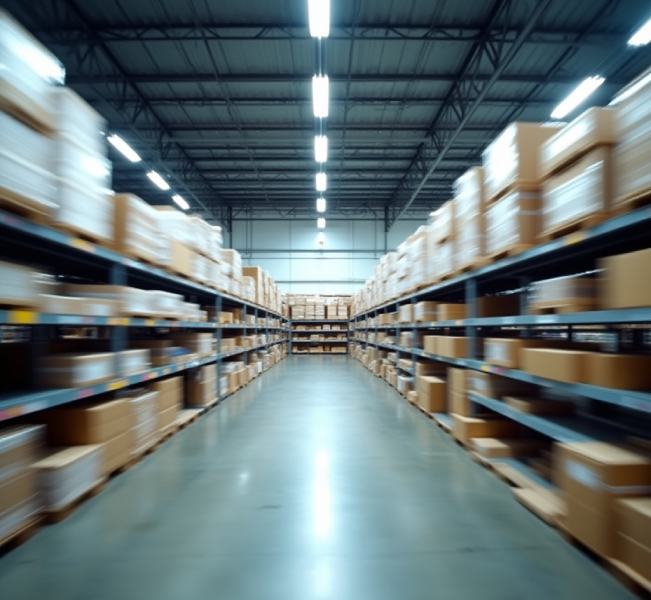
Facility layout strongly influences lighting design. Aisle width and rack placement matter. Therefore, lighting plans must align with operational flow. Proper spacing prevents dark zones.
Furthermore, uniformity improves visual comfort. Even light distribution reduces eye strain. Additionally, consistent brightness improves task accuracy. As a result, employees work more efficiently.
Moreover, reflective surfaces affect lighting effectiveness. Light-colored walls enhance brightness. Therefore, designers consider surface reflectance. This approach improves efficiency without increasing wattage.
- Ceiling height
- Beam angle
- Lumen output
- Fixture spacing
- Energy efficiency
- Mounting type
- Maintenance needs
- Layout design
- Safety standards
Energy Efficiency and Modern Highbay Solutions
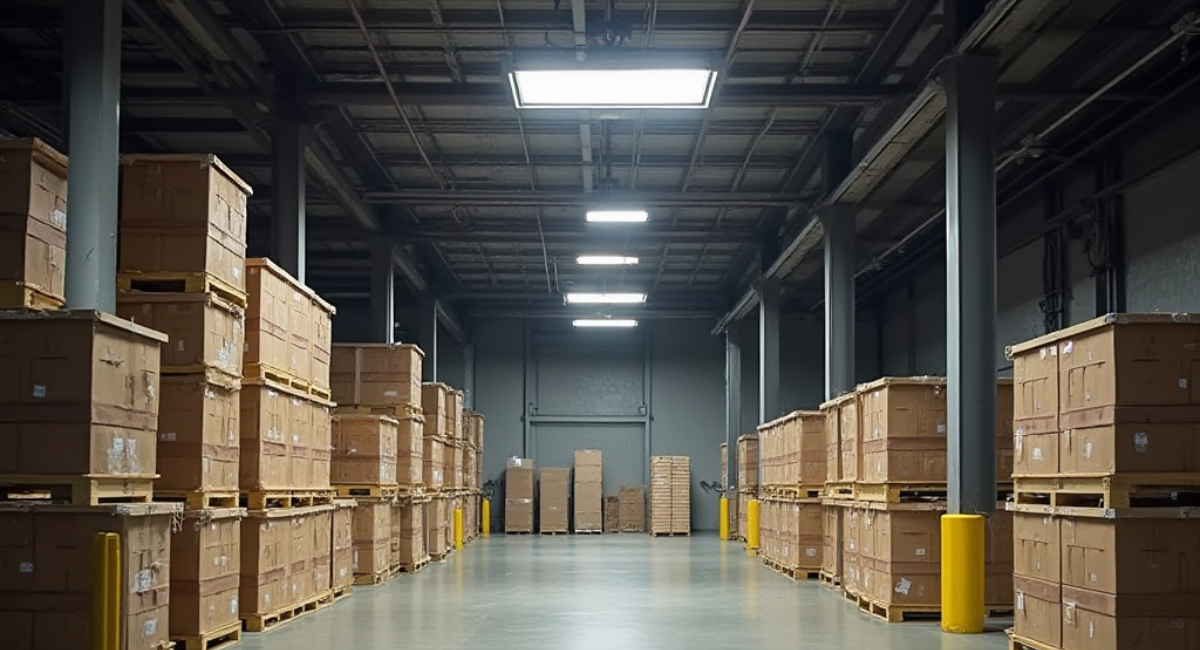
LED highbay lights dominate modern facilities. They consume less power than traditional fixtures. Moreover, they deliver higher lumen output. Therefore, energy savings become significant.
Additionally, LEDs offer instant illumination. There is no warm-up delay. As a result, safety improves during sudden power restoration. This feature supports continuous operations.
Smart lighting controls further enhance efficiency. Sensors adjust lighting based on occupancy. Timers reduce unnecessary usage. Consequently, facilities achieve long-term operational savings.
Recent Posts