Solar Lights for Rural and Remote Areas: Reliable Off-Grid Lighting Solutions for Safety, Development, and Sustainable Living
This article explains how solar lights support rural and remote areas. It focuses on off-grid applications, social benefits, cost efficiency, and sustainable development through reliable solar lighting solutions.
Solar lights play a vital role in rural and remote regions. Many areas lack reliable grid electricity. Therefore, solar lighting becomes an essential solution. It provides dependable illumination without external power sources.
Moreover, solar lights improve daily living conditions. Proper lighting extends productive hours after sunset. Additionally, it enhances safety for homes and pathways. As a result, communities feel more secure and connected.
Furthermore, solar lighting supports social development. Schools, health centers, and community spaces benefit greatly. Consequently, education and healthcare services improve. Thus, solar lights contribute directly to rural progress.
The sun does not realize how wonderful it is until after a room is made.
Louis Kahn
Off-Grid Applications and Practical Uses
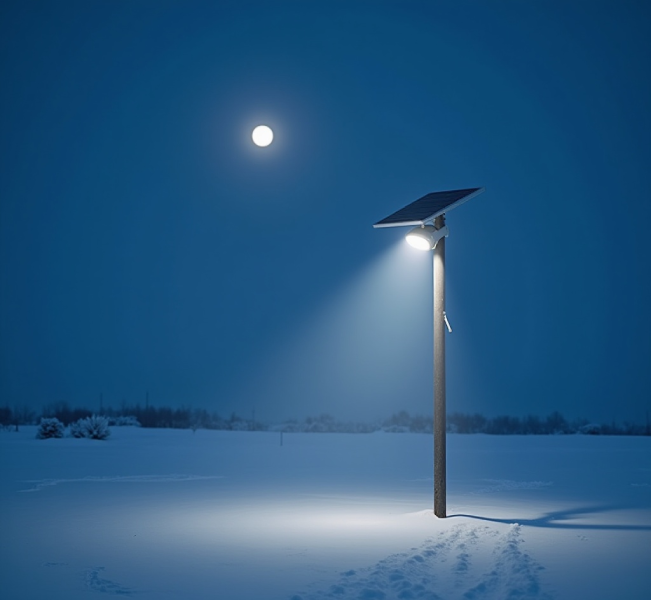
Off-grid solar lights serve multiple rural applications. They illuminate streets, homes, and public spaces. Moreover, they operate independently from power grids. Therefore, installation becomes practical in isolated locations.
Additionally, solar lighting supports agricultural activities. Farmers use lights for storage areas and pathways. Furthermore, lighting helps protect crops and livestock. As a result, productivity and safety improve.
Solar lights also support emergency and disaster preparedness. Reliable lighting remains available during outages. Consequently, communities respond better during emergencies. Thus, off-grid lighting strengthens resilience and preparedness.

Economic and Cost Advantages of Solar Lighting
Solar lights offer significant cost benefits for rural users. They eliminate monthly electricity bills. Therefore, households save money consistently. Over time, these savings become substantial.
Moreover, installation costs remain relatively low. Solar systems require minimal wiring and infrastructure. Consequently, deployment becomes faster and simpler. This advantage suits remote and hard-to-reach areas.
Additionally, maintenance costs stay low. Modern solar lights use durable LED technology. As a result, replacements are infrequent. Therefore, long-term operational expenses remain predictable and manageable.
- Off grid
- Energy savings
- Improved safety
- Low maintenance
- Easy installation
- Environmental protection
- Community empowerment
- Reliable lighting
- Sustainable growth

Sustainability and Environmental Impact
Solar lighting promotes clean and renewable energy use. It reduces dependence on fossil fuels. Therefore, carbon emissions decrease significantly. This shift supports environmental conservation.
Furthermore, solar lights produce no operational pollution. They operate silently and efficiently. Consequently, natural surroundings remain undisturbed. This benefit is crucial for rural ecosystems.
Additionally, sustainable lighting encourages responsible energy habits. Communities become aware of renewable solutions. As a result, environmental awareness increases. Thus, solar lighting supports long-term ecological balance.
Recent Posts