Choosing the Right Street Range Light: A Practical Guide to Wattage Selection and Pole Height Planning for Efficient Roadway Illumination
This article explains how to choose the right street range light. It focuses on wattage selection, pole height planning, and performance factors for safe, efficient, and cost-effective street lighting.
Street range lighting plays a vital role in public safety. It improves visibility for drivers and pedestrians. Therefore, proper lighting design remains essential for urban and rural roads. Well-planned lighting reduces accidents and enhances comfort.
Moreover, street lights support smooth traffic movement. Uniform illumination prevents dark spots and glare. Consequently, road users feel confident during night travel. Lighting consistency also improves surveillance and public security.
Additionally, street lighting supports infrastructure aesthetics. Well-lit roads enhance city appearance. Furthermore, proper lighting reflects civic planning quality. Thus, street range lights contribute to safety and visual order.
Light is the taskmaster of the universe.
Louis Kahn
Selecting the Right Wattage for Street Range Lights
Wattage selection determines light output and efficiency. Therefore, it must match road width and traffic volume. Low-traffic streets require lower wattage lights. Meanwhile, highways need higher lumen output.
Moreover, excessive wattage causes glare and energy waste. Insufficient wattage creates poor visibility. Consequently, balanced wattage selection remains critical. Designers calculate lumens instead of relying only on watts.
Additionally, LED technology simplifies wattage decisions. LEDs deliver higher lumens using less power. Therefore, energy consumption reduces significantly. Over time, optimized wattage lowers operating costs.
Pole Height Planning and Light Distribution
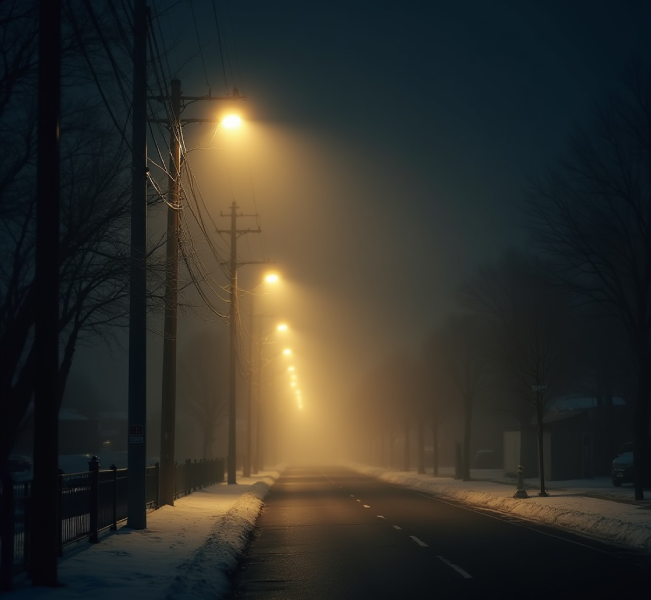
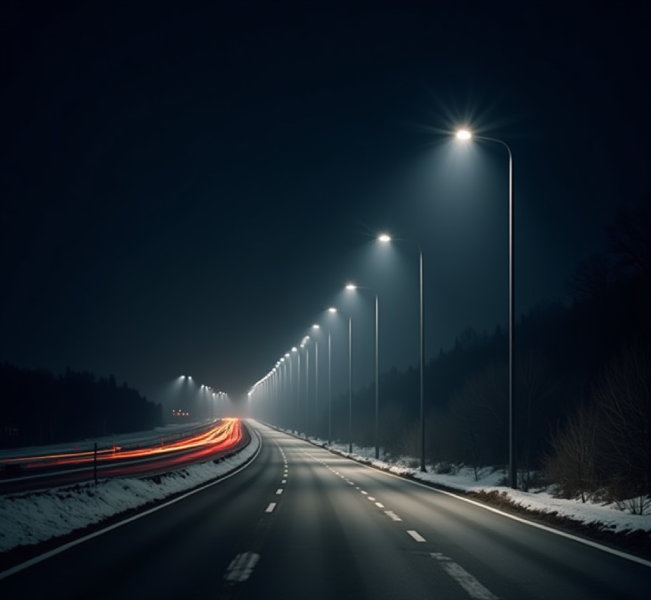
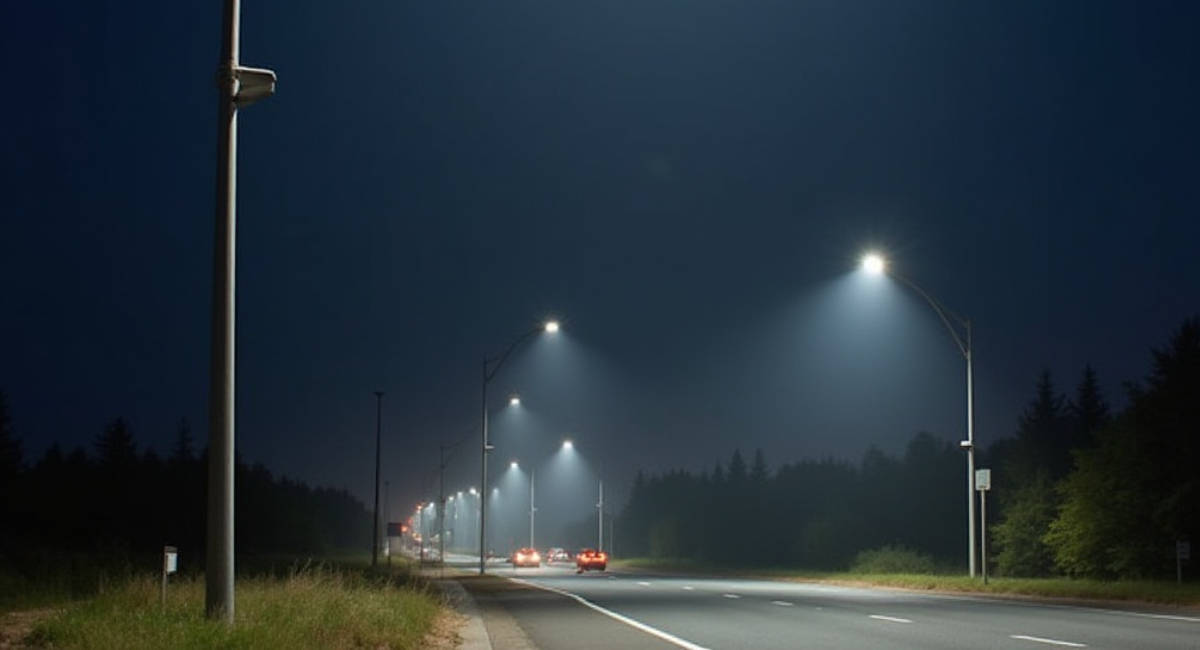
Pole height directly affects light spread and uniformity. Taller poles cover wider areas effectively. Therefore, highways use higher poles. Residential streets use shorter poles for comfort.
Moreover, incorrect pole height creates uneven lighting. Too low causes bright spots. Too high reduces surface brightness. Consequently, precise height planning ensures uniform illumination.
Additionally, pole spacing works with height selection. Proper spacing prevents dark gaps. Therefore, designers plan poles strategically. Balanced layouts enhance safety and visual clarity.
- Correct wattage
- Pole height
- Road width
- Traffic volume
- Energy efficiency
- Light uniformity
- Glare control
- Maintenance needs
- Regulatory compliance
Energy Efficiency and Performance Optimization
Modern street range lights focus on efficiency. LED fixtures consume less energy than traditional lamps. Moreover, they provide consistent brightness. As a result, municipalities save energy costs.
Furthermore, smart lighting controls improve performance. Dimming systems adjust brightness during low traffic hours. Therefore, energy usage reduces further. Automation supports efficient night operations.
Additionally, efficient lighting reduces maintenance needs. LEDs last longer than conventional lights. Consequently, replacement frequency decreases. This advantage lowers long-term operational expenses.
Recent Posts