LED Well-Glass Lights vs Traditional Models: Comparing Energy Efficiency, Lifespan, and Performance for Industrial and Outdoor Applications
This article compares LED well-glass lights with traditional models. It explains efficiency, lifespan, and performance differences to help users select reliable and cost-effective lighting solutions.
Efficiency is intelligent effort.
Peter Drucker
Energy Efficiency and Power Consumption Comparison
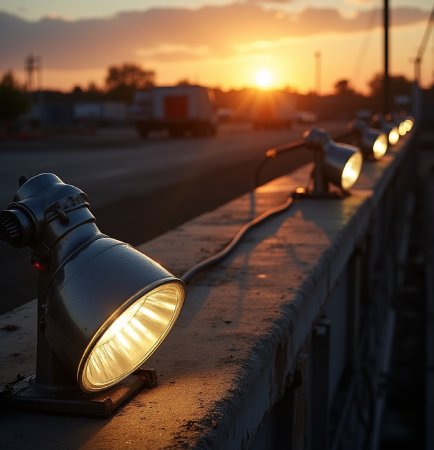
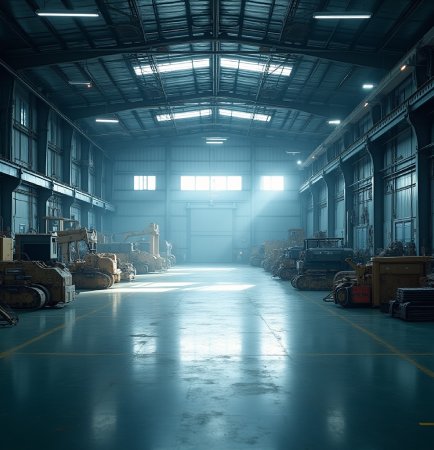
Well-glass lights are widely used in industrial and outdoor environments. They illuminate factories, warehouses, and parking areas. Therefore, energy efficiency becomes a key selection factor. Lighting systems often operate for long hours.
Traditional well-glass lights usually use metal halide or sodium lamps. However, these lamps consume more power. Moreover, much energy converts into heat. Consequently, electricity costs increase steadily over time.
LED well-glass lights offer higher lumen output with lower wattage. Additionally, LEDs provide instant brightness. Therefore, energy waste reduces significantly. As a result, facilities achieve consistent illumination with reduced power consumption.
Lifespan and Maintenance Requirements
Lighting lifespan directly affects operational costs. Traditional well-glass lamps have shorter service lives. Therefore, frequent replacements become necessary. Maintenance teams face higher workload and downtime.
Moreover, traditional lamps degrade faster over time. Light output decreases gradually. Consequently, visibility reduces before complete failure. This issue impacts safety and productivity.
LED well-glass lights deliver significantly longer lifespans. Additionally, light output remains stable for years. Therefore, maintenance frequency decreases. As a result, facilities enjoy uninterrupted lighting and lower service costs.
- Energy efficiency
- Power savings
- Longer lifespan
- Reduced maintenance
- Instant lighting
- Stable output
- Lower heat
- Environmental safety
- Cost efficiency
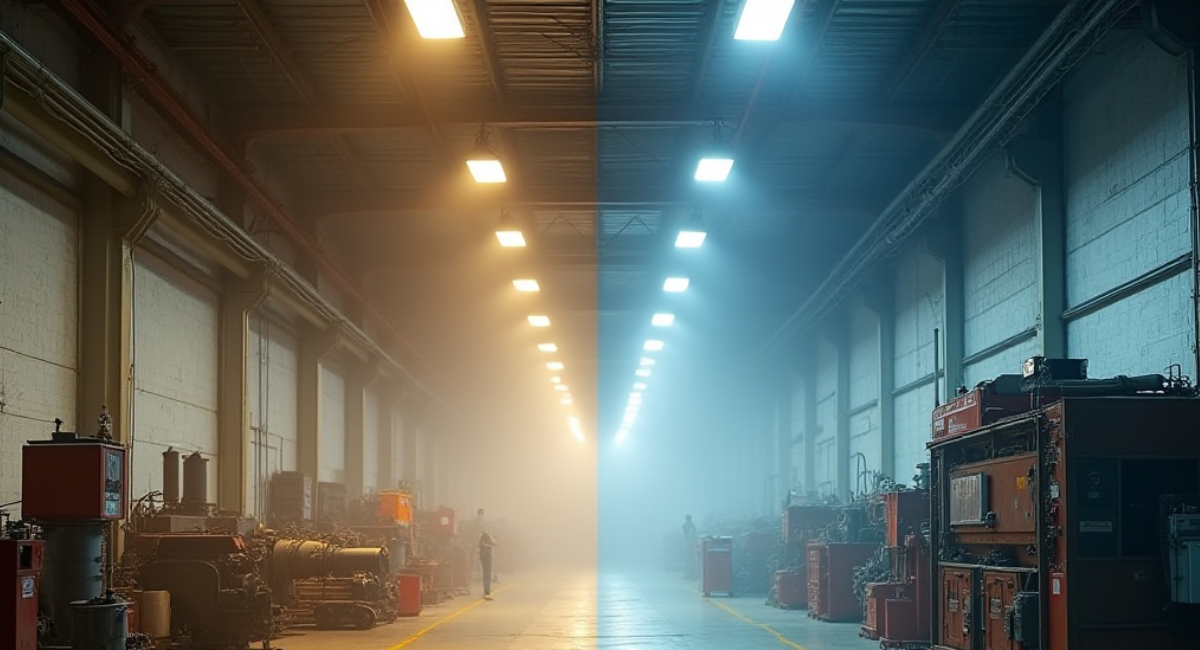
Performance, Safety, and Environmental Impact
Performance consistency is crucial in industrial lighting. Traditional well-glass lights often need warm-up time. However, delayed brightness affects safety. Therefore, immediate illumination becomes essential.
LED well-glass lights provide instant and uniform light. Moreover, glare control improves visual comfort. Consequently, workers experience less eye strain. Productivity and safety levels increase consistently.
Additionally, LED lights support environmental sustainability. They consume less energy and reduce emissions. Therefore, carbon footprints decrease. As a result, organizations meet sustainability goals more effectively.
Recent Posts