Applications of Well-Glass Lights in Factories for Safe, Durable, and Efficient Industrial Illumination
Well-glass lights play a vital role in factory lighting systems. This article explains their applications in manufacturing environments. It focuses on safety, durability, and operational efficiency. Therefore, it helps industries choose reliable lighting solutions for demanding working conditions.
Safety doesn’t happen by accident.
Unknown
Role of Well-Glass Lights in Harsh Manufacturing Environments
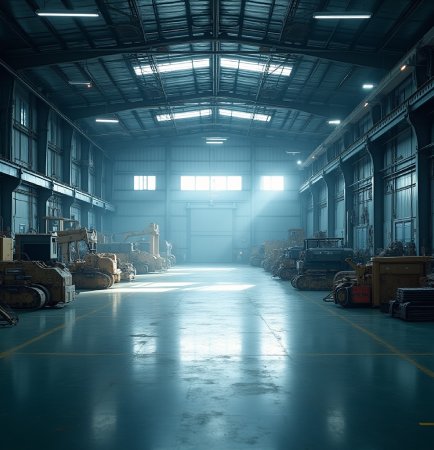
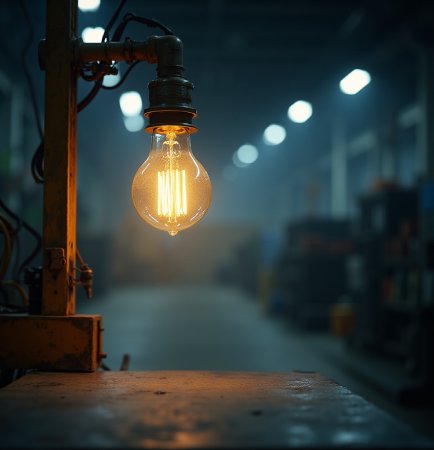
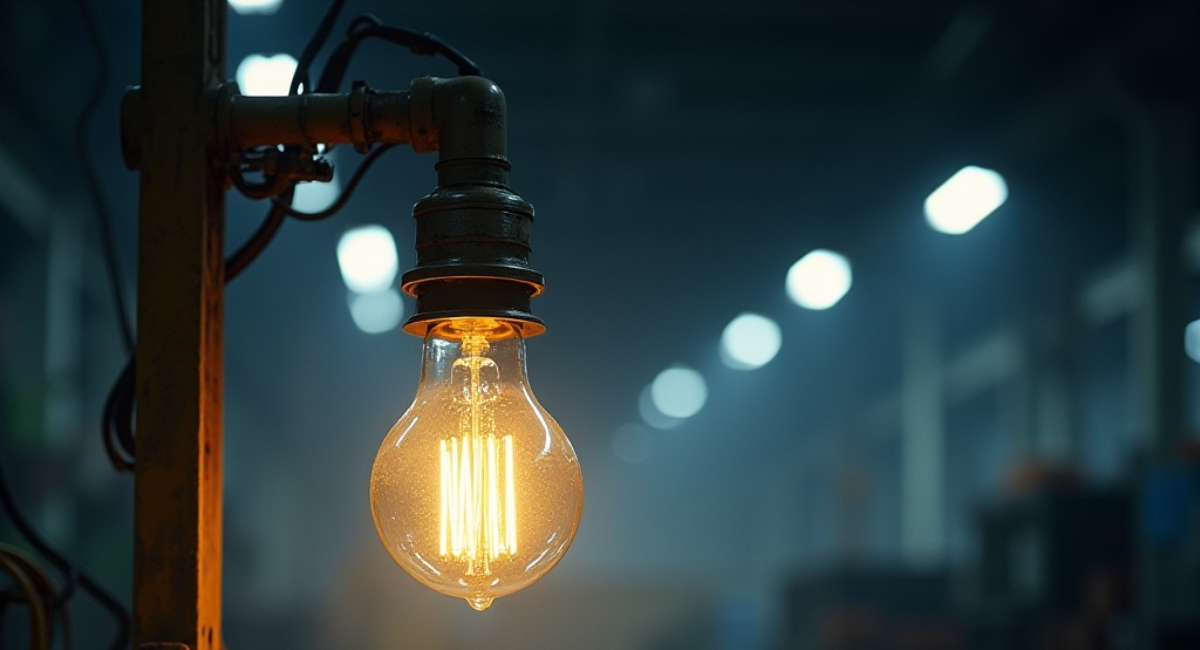
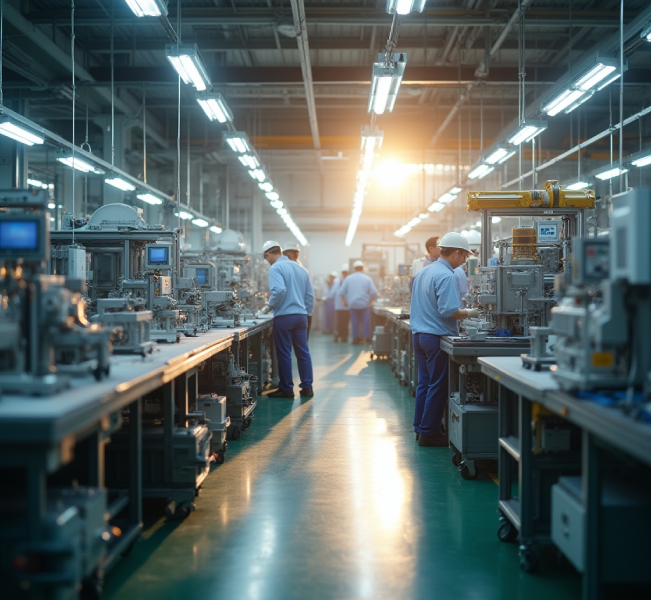
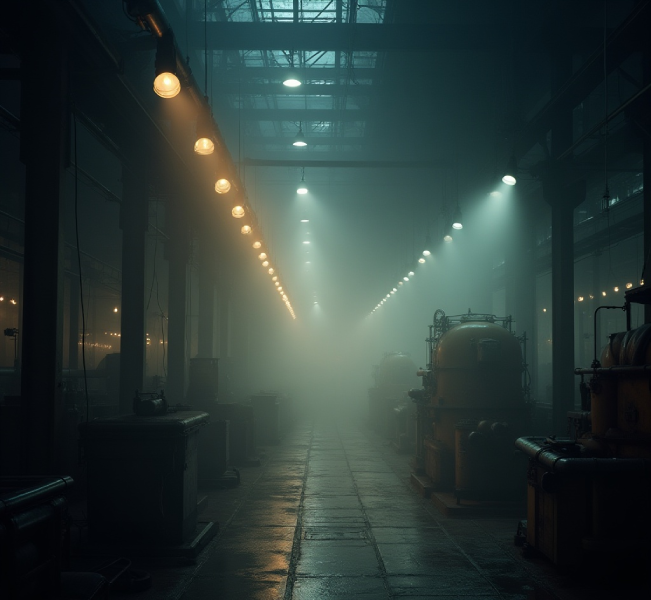
Factories often operate in harsh conditions. Therefore, lighting fixtures must withstand dust, moisture, and vibration. Well-glass lights are designed specifically for such environments. Consequently, they deliver consistent illumination without performance loss. Manufacturing areas expose lights to heat and chemicals. However, well-glass fixtures feature strong enclosures. Moreover, thick glass protects internal components. As a result, lighting reliability remains high.
Well-glass lights support continuous industrial operations. Furthermore, sealed designs prevent contamination. Therefore, light output stays stable. Meanwhile, maintenance interruptions reduce significantly. Factories require dependable lighting for productivity. Moreover, poor lighting causes errors and fatigue. Therefore, well-glass lights provide uniform brightness. Consequently, work quality improves steadily.
Durable lighting reduces replacement frequency. Additionally, strong materials resist mechanical impact. As a result, operational downtime decreases. Therefore, production schedules remain uninterrupted. Well-glass lights meet industrial safety standards. Furthermore, certified designs ensure compliance. Therefore, factories maintain regulatory alignment consistently.
Safety and Visibility Benefits in Industrial Work Areas
Proper lighting improves workplace safety. Therefore, well-glass lights enhance visibility across factory floors. Moreover, clear illumination reduces accident risks. Consequently, employee safety improves. Manufacturing tasks demand visual precision. However, shadows and glare create hazards. Therefore, well-glass lights distribute light evenly. As a result, workers see clearly.
Emergency response depends on reliable lighting. Additionally, well-glass lights perform during long shifts. Consequently, safety conditions remain consistent. Therefore, workers feel more confident. Bright and stable lighting reduces eye strain. Moreover, reduced flicker improves comfort. Therefore, employee fatigue decreases. As a result, focus improves.
Well-lit factories improve operational discipline. Additionally, hazards become visible quickly. Consequently, preventive action becomes easier. Therefore, safety culture strengthens. Lighting clarity supports training and supervision. Furthermore, managers monitor processes effectively. Therefore, well-glass lighting supports safer workflows.
- Rugged design
- Impact resistant
- Uniform lighting
- Safety compliance
- Low maintenance
- Long lifespan
- Industrial grade
- Energy efficient
- Harsh environments
Efficiency, Longevity, and Maintenance Advantages
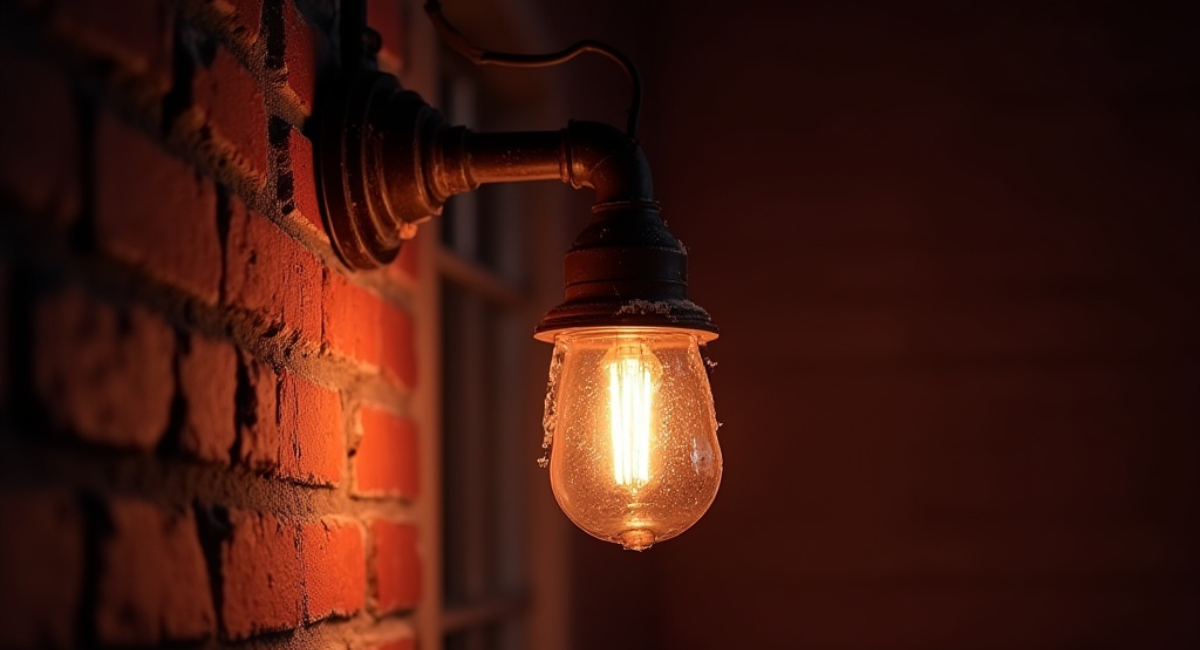
Well-glass lights offer long operational life. Therefore, factories reduce replacement cycles. Moreover, robust construction ensures durability. Consequently, lifecycle costs remain controlled. Maintenance teams benefit from reduced servicing needs. However, traditional fixtures fail frequently. Therefore, well-glass lights save labor time. As a result, maintenance budgets optimize.
Energy-efficient lamps enhance performance further. Additionally, LED well-glass lights reduce power usage. Consequently, energy costs decrease. Therefore, efficiency improves across operations. Consistent lighting supports productivity goals. Moreover, uninterrupted illumination prevents delays. Therefore, workflow efficiency increases. As a result, output quality improves.
Well-glass fixtures operate reliably in high ceilings. Additionally, wide beam coverage suits factory layouts. Consequently, fewer fixtures are required. Therefore, installation planning simplifies. Long-lasting lighting supports sustainable practices. Furthermore, reduced waste benefits the environment. Therefore, factories move toward responsible operations.
Recent Posts