Decorative Lighting Trends in Commercial Architecture: Enhancing Brand Identity and User Experience with Smart, Sustainable Design
This article explores modern decorative lighting trends in commercial architecture. It highlights how lighting strengthens branding, improves customer experience, and supports sustainable, technology-driven design across commercial spaces.
Light creates ambiance and feel of a place, as well as the expression of a structure.
Le Corbusier
Decorative Lighting in Brand-Centric Commercial Spaces
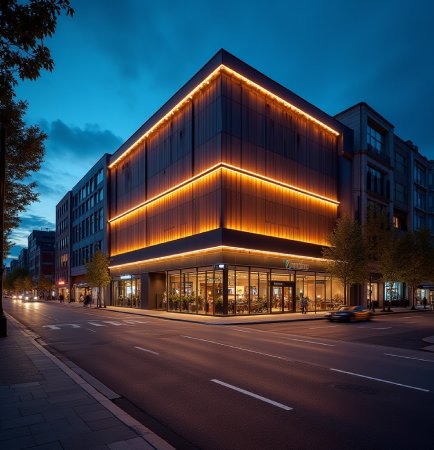
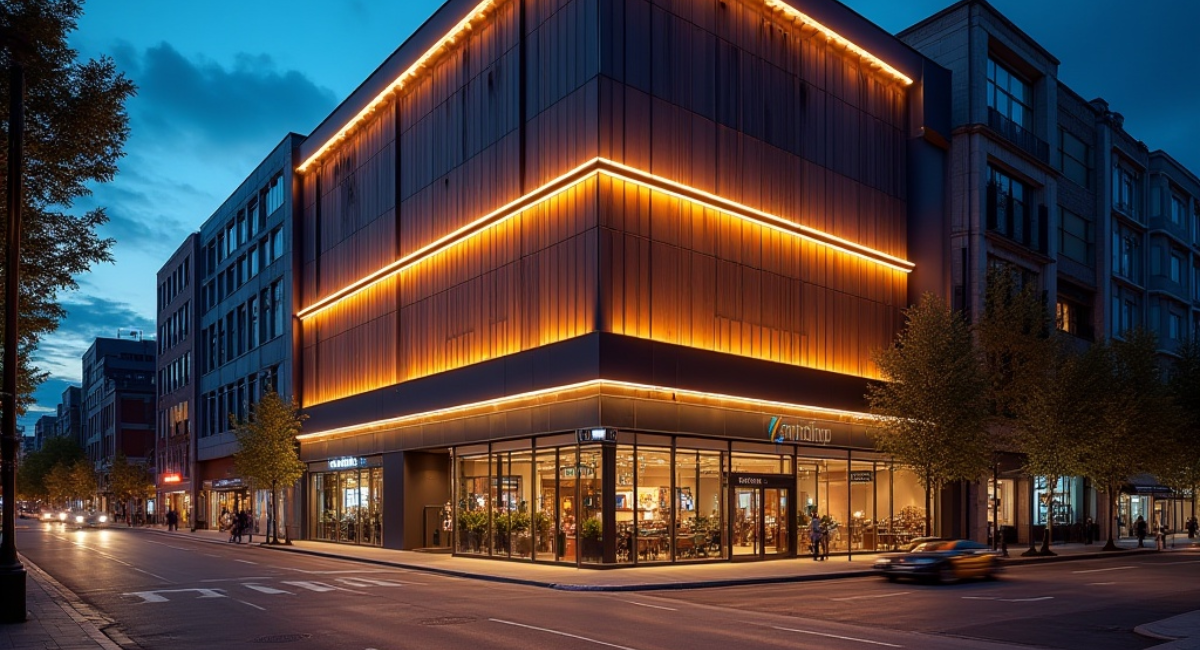
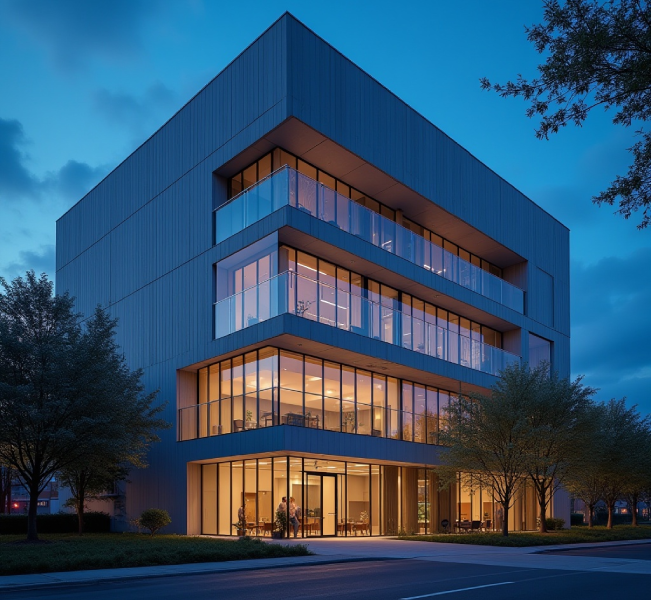
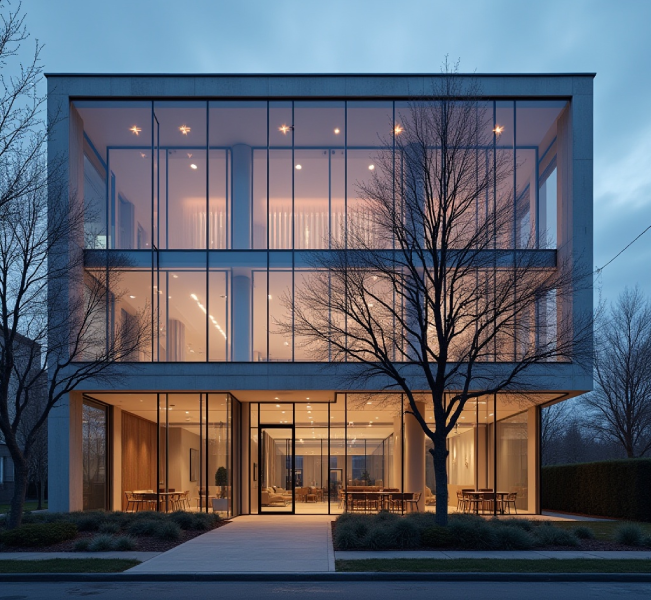
Decorative lighting plays a critical role in shaping commercial brand identity. In hotels, restaurants, and offices, lighting communicates style and purpose. Moreover, it creates emotional connections with visitors. Therefore, architects carefully align lighting designs with brand values and spatial themes.
In addition, decorative lights influence how customers perceive quality and comfort. Warm lighting often encourages longer stays in restaurants. Meanwhile, dynamic lighting enhances retail engagement. Consequently, lighting becomes a silent brand ambassador within commercial environments.
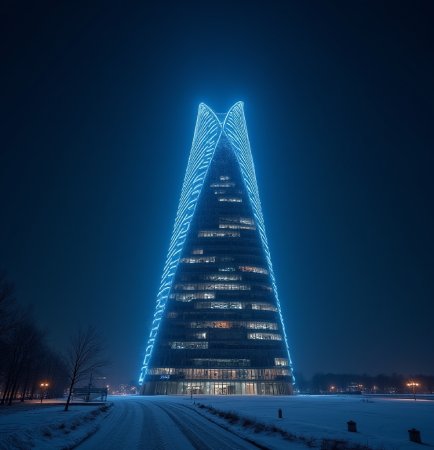
Furthermore, lighting supports architectural storytelling through form and placement. Feature pendants, wall sconces, and chandeliers highlight focal areas. As a result, spaces feel intentional and visually memorable. Thus, decorative lighting strengthens both function and brand recall.
Technology-Driven Trends in Decorative Lighting Design
Modern commercial lighting increasingly relies on advanced LED technology. LEDs offer efficiency, flexibility, and long operational life. Moreover, designers can achieve diverse color temperatures and effects. Therefore, LEDs dominate contemporary decorative lighting solutions.
Smart lighting controls further elevate commercial lighting strategies. Automated dimming adjusts lighting based on occupancy and time. Additionally, app-based controls improve operational efficiency. Consequently, businesses reduce energy consumption while maintaining optimal ambiance.
Integration with building management systems is also increasing. Lighting now responds to daylight, motion, and user preferences. As a result, spaces feel adaptive and intelligent. Thus, technology enhances both visual comfort and operational performance.
- Brand expression
- Visual comfort
- Energy efficiency
- Smart automation
- Design flexibility
- Customer engagement
- Architectural focus
- Operational savings
- Sustainable impact
Sustainability and User Experience in Decorative Lighting
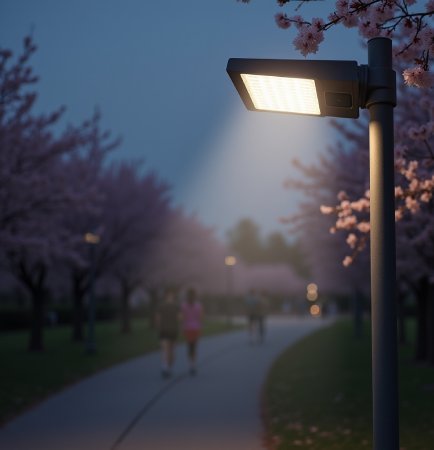
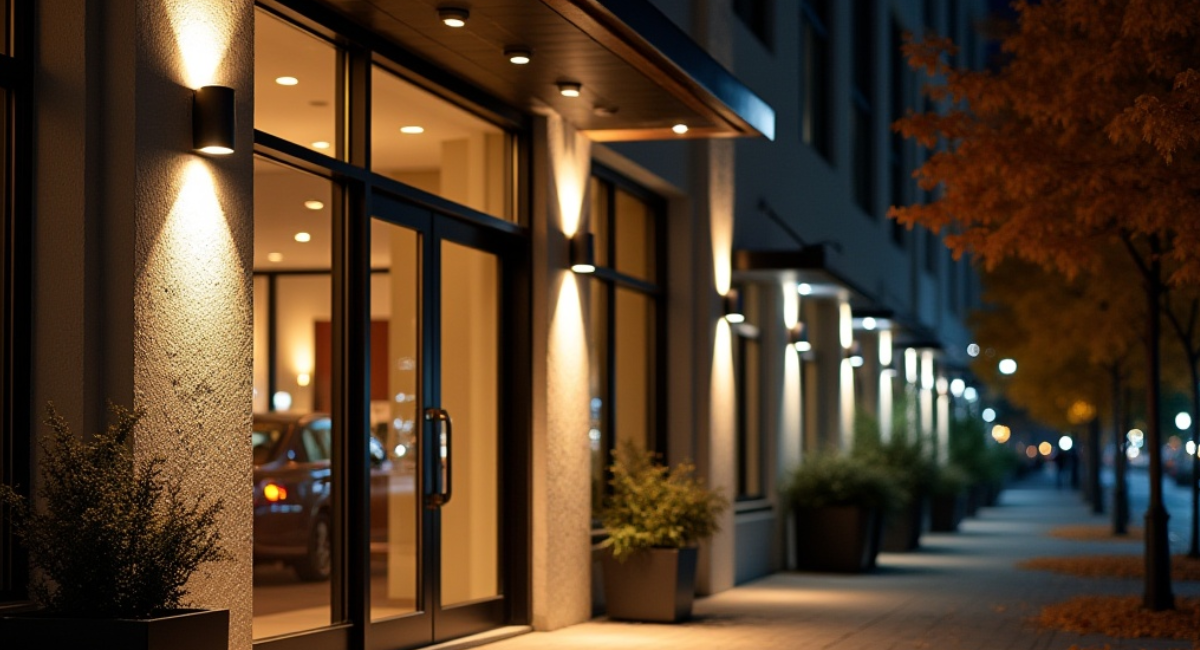
Sustainability remains central to modern commercial architecture. Decorative lighting now prioritizes energy efficiency and eco-friendly materials. Moreover, reduced heat emission improves indoor comfort. Therefore, lighting contributes to healthier environments.
Human-centric lighting design also gains importance. Lighting schemes support circadian rhythms through controlled brightness and color. Furthermore, inclusive lighting improves accessibility and visual clarity. Consequently, user wellbeing becomes a core design objective.
Finally, sustainable lighting enhances long-term cost efficiency. Reduced maintenance and energy savings support business goals. In addition, sustainability strengthens corporate responsibility messaging. Thus, decorative lighting aligns aesthetics, ethics, and economics effectively.
Recent Posts