Choosing the Right Facade Lighting for Commercial Buildings to Enhance Visibility, Identity, and Architectural Impact
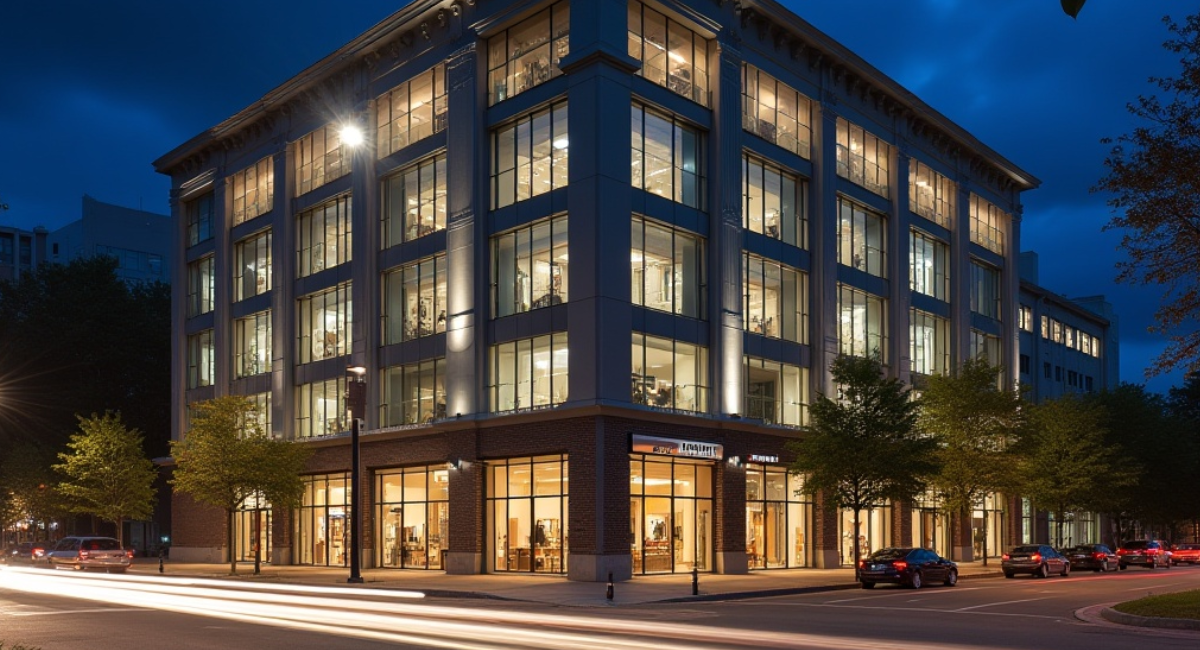
Choosing the right facade lighting improves commercial building visibility and brand identity. It highlights architectural features effectively. Moreover, it ensures visual comfort and energy efficiency. Therefore, correct beam angles, mounting methods, and light colors are essential for successful facade illumination.
Architecture comes to life when light reveals its true form.
Louis Kahn
Selecting Appropriate Beam Angles for Facade Illumination
Beam angle selection defines facade lighting performance. It determines how light spreads across building surfaces. Therefore, correct selection prevents uneven illumination. Moreover, it ensures architectural features remain visible at night.
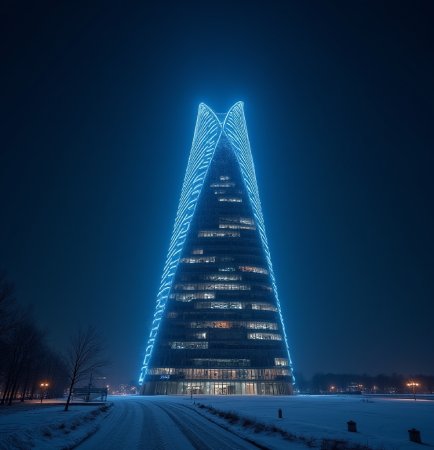
Narrow beam angles suit tall or detailed facades. They focus light precisely on columns or textures. Consequently, depth and contrast increase. However, narrow beams require careful positioning to avoid harsh highlights.
Wide beam angles suit broad surfaces. They distribute light evenly across walls. Therefore, buildings appear balanced and calm. Additionally, wide beams reduce fixture count. As a result, installation becomes cost effective and efficient.
Effective Mounting Techniques for Commercial Facade Lights
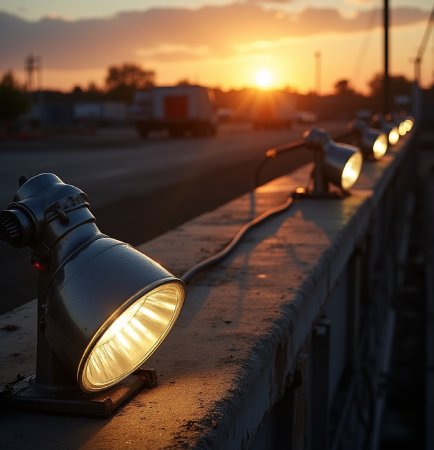
Mounting technique affects lighting quality significantly. Poor mounting causes glare and shadows. Therefore, correct placement is critical for success. Moreover, proper mounting protects fixtures from damage.
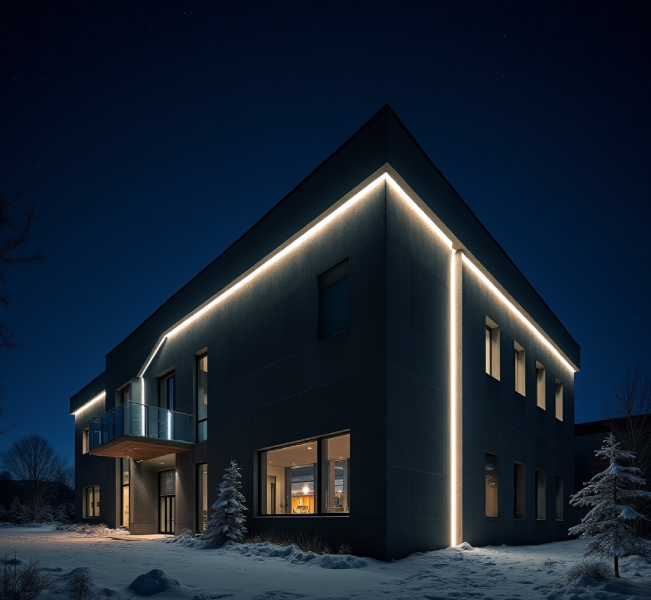
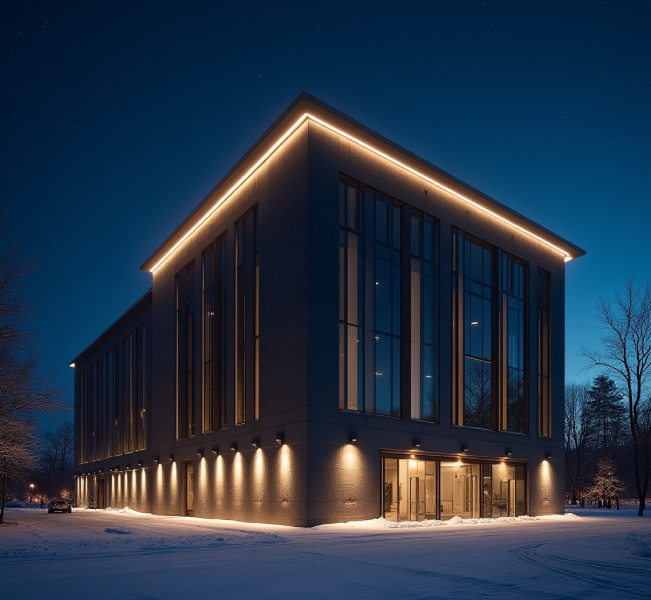
Surface mounting works well for flat facades. Fixtures attach directly to walls. Consequently, installation remains simple. However, spacing must remain consistent. Otherwise, light distribution becomes uneven.
Recessed or bracket mounting suits complex facades. These techniques hide fixtures visually. Therefore, architecture remains dominant. Additionally, angled brackets improve direction control. As a result, light reaches intended surfaces accurately.
- Beam selection
- Mounting method
- Light color
- Glare control
- Fixture spacing
- Architectural focus
- Energy efficiency
- Energy efficiency
Choosing Light Color for Visual Impact and Brand Identity
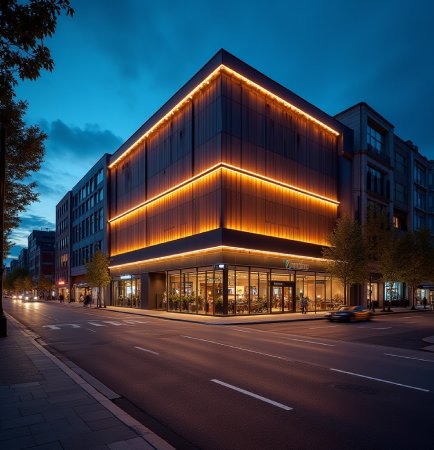
Light color strongly influences perception. Warm light creates elegance and comfort. Therefore, it suits hotels and heritage buildings. Moreover, warm tones enhance stone and textured surfaces.
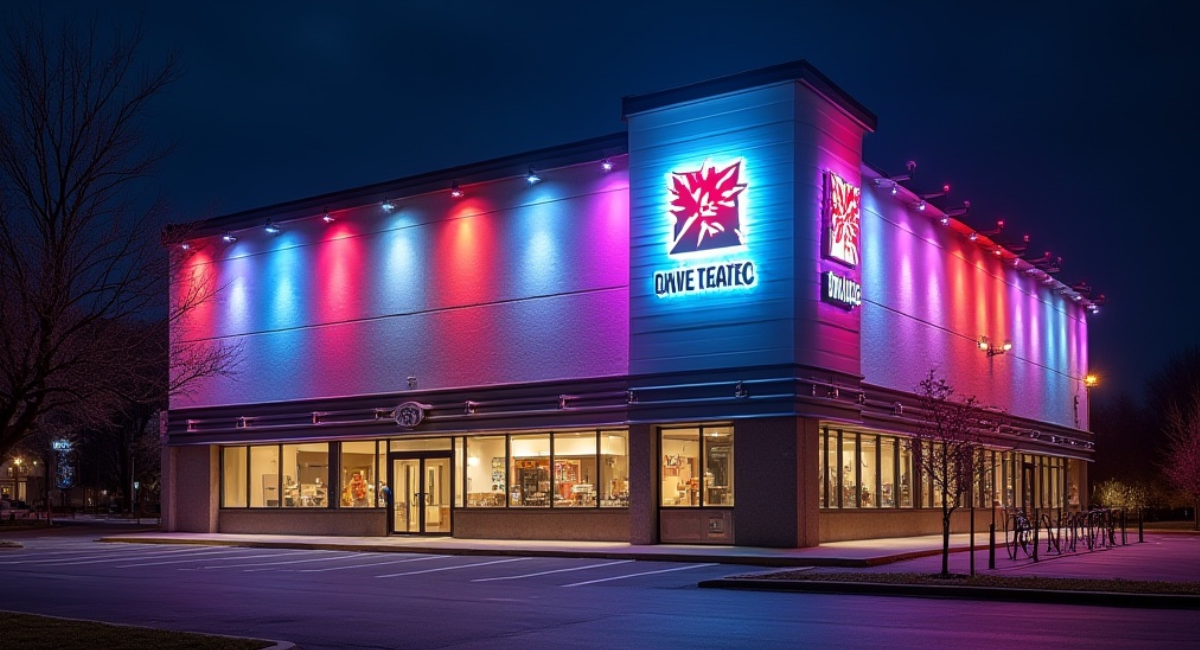
Cool light conveys modernity and precision. It works well for offices and corporate buildings. Consequently, structures appear professional and clean. However, excessive cool light feels harsh. Therefore, balance remains essential.
Neutral white light offers flexibility. It maintains color accuracy and clarity. Additionally, it suits mixed-use buildings. Therefore, designers often prefer neutral tones. Consistent color temperature ensures visual harmony across the facade.
Recent Posts