LED Flood Lights vs Traditional Flood Lights: A Detailed Comparison of Efficiency, Lifespan, and Cost for Modern Outdoor Lighting
LED flood lights and traditional flood lights differ greatly in efficiency, lifespan, and cost. This article compares both technologies clearly. It helps facility managers, homeowners, and planners choose reliable lighting solutions. Therefore, it supports smarter decisions for long-term outdoor illumination.
The best energy is the energy you never have to use.
Amory Lovins
Energy Efficiency and Performance Comparison
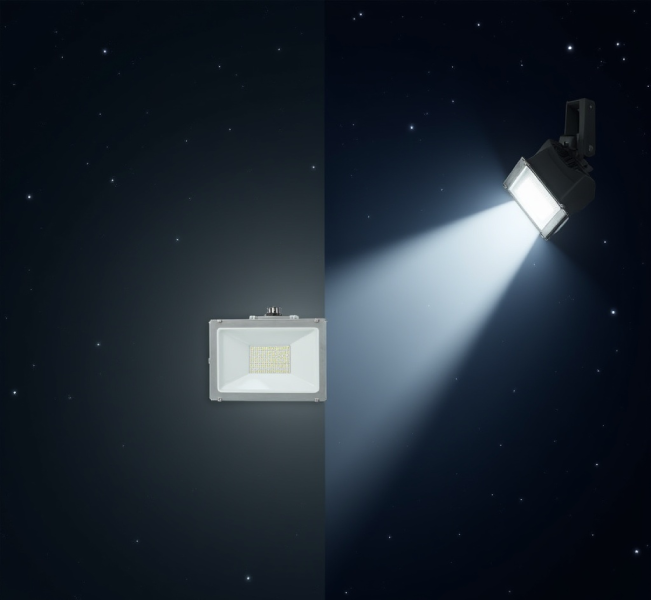
LED flood lights deliver superior energy efficiency. They convert most electricity into usable light. Therefore, energy waste remains minimal. Moreover, LEDs maintain consistent brightness across large areas.
Traditional flood lights consume higher power. Much energy converts into heat. Consequently, efficiency drops significantly. However, traditional lights still provide strong illumination for short-term needs.
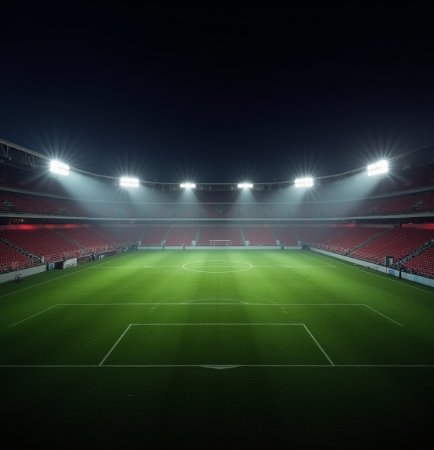
LED flood lights outperform during continuous operation. They maintain brightness without frequent fluctuations. Additionally, they support instant full brightness. Therefore, they suit security and sports applications better.

Lifespan, Durability, and Maintenance Needs
LED flood lights offer long operational lifespans. Many models exceed fifty thousand hours. Therefore, replacement cycles remain infrequent. Moreover, reduced downtime improves safety and convenience.
Traditional flood lights have shorter lifespans. Frequent bulb replacements become necessary. Consequently, maintenance costs increase over time. However, replacement bulbs remain widely available.
LED fixtures resist vibrations and weather changes. They function reliably outdoors. Additionally, sealed designs protect internal components. Therefore, LEDs perform better in industrial and public environments.
- Energy savings
- Light output
- Heat reduction
- Lifespan length
- Maintenance cost
- Outdoor durability
- Startup speed
- Environmental impact
Cost Analysis and Long-Term Value
Initial LED flood light costs remain higher. However, operational savings offset purchase prices. Therefore, long-term expenses reduce significantly. Moreover, energy savings accumulate consistently.
Traditional flood lights appear cheaper initially. However, high power usage increases bills. Consequently, long-term ownership becomes expensive. Additionally, frequent maintenance adds hidden costs.
LED flood lights offer better return on investment. Reduced energy bills and maintenance help budgets. Therefore, organizations prefer LED upgrades. Sustainable incentives further improve financial value.
Recent Posts