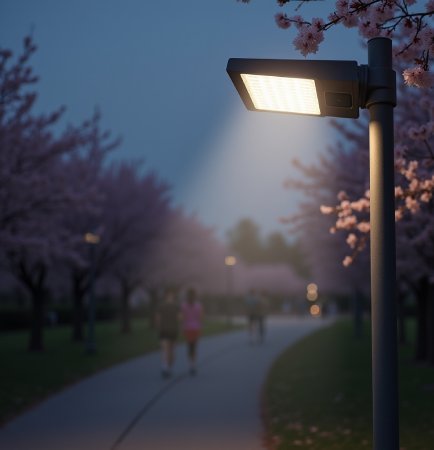
How Decorative Lights Redefine Ambience, Style, and Function in Modern Interiors
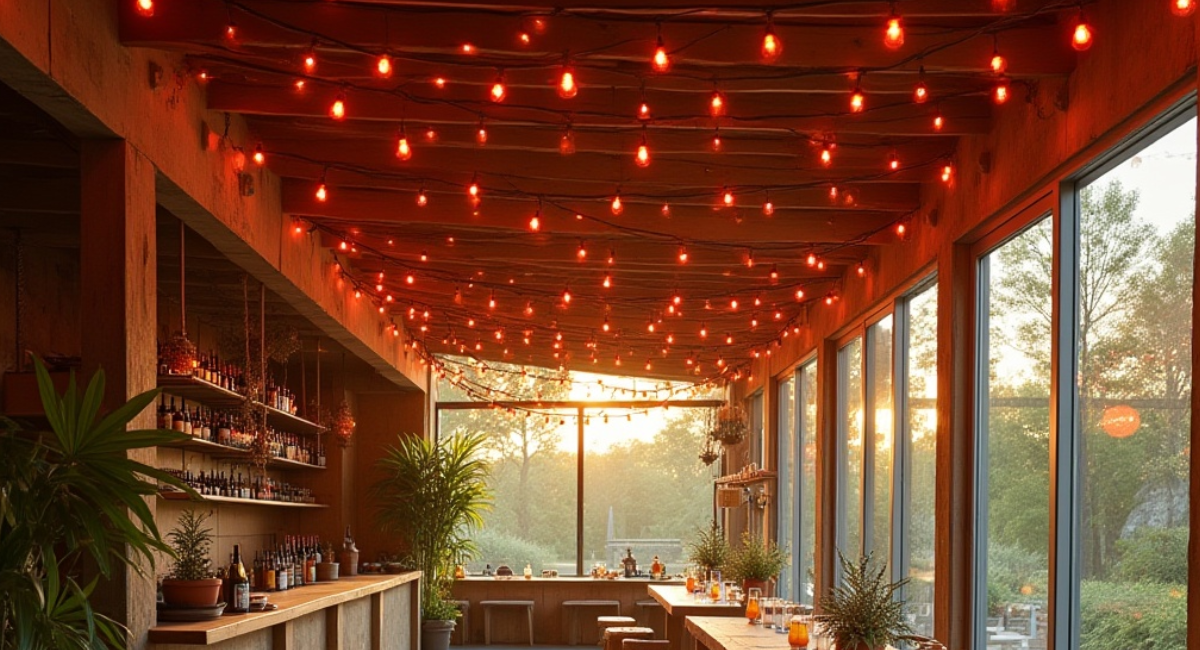
Decorative lighting has become essential in modern interior design. It shapes how spaces look, feel, and function. Today, lighting is no longer an afterthought. Instead, it is a core design element. Homeowners and designers now use decorative lights to create identity and balance. As a result, interiors feel more welcoming and purposeful.
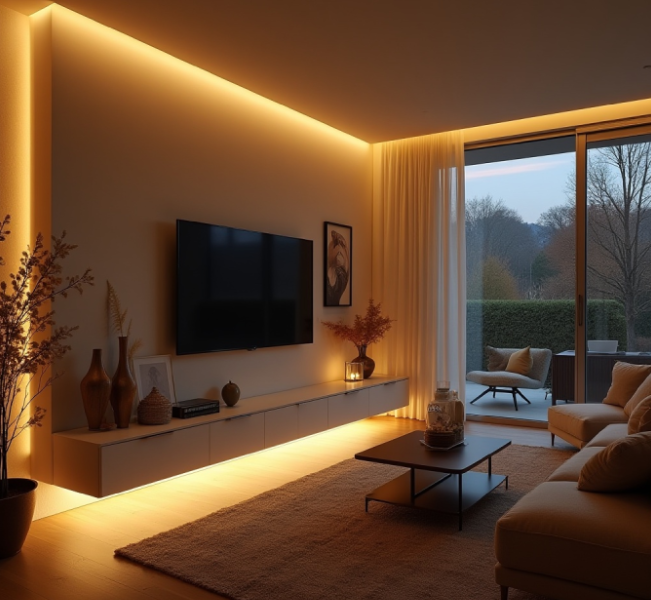
Decorative lighting strongly influences ambience. It affects emotions, comfort, and perception. Therefore, choosing the right light matters greatly. First, color temperature sets the emotional tone. Warm light creates calm and relaxation. Thus, it suits bedrooms and living rooms. In contrast, cool light increases focus. Hence, it fits offices and workspaces. By combining both, spaces feel balanced and adaptable.
Second, layered lighting improves depth. Ambient lighting provides overall brightness. Meanwhile, task lighting supports daily activities. Accent lighting highlights features and textures. Together, these layers create harmony and visual comfort.
Moreover, decorative lights soften harsh shadows. They distribute light evenly across surfaces. As a result, rooms feel inviting and spacious. Dimmers also add flexibility. Therefore, users can adjust brightness based on mood or time. Additionally, lighting helps define zones. For example, pendant lights mark dining areas. Wall lights guide movement through corridors. Thus, lighting improves flow and usability.
Light creates ambience and feel of a place, as well as the expression of a structure.
Le Corbusier
Enhancing Aesthetics With Style, Material, and Placement
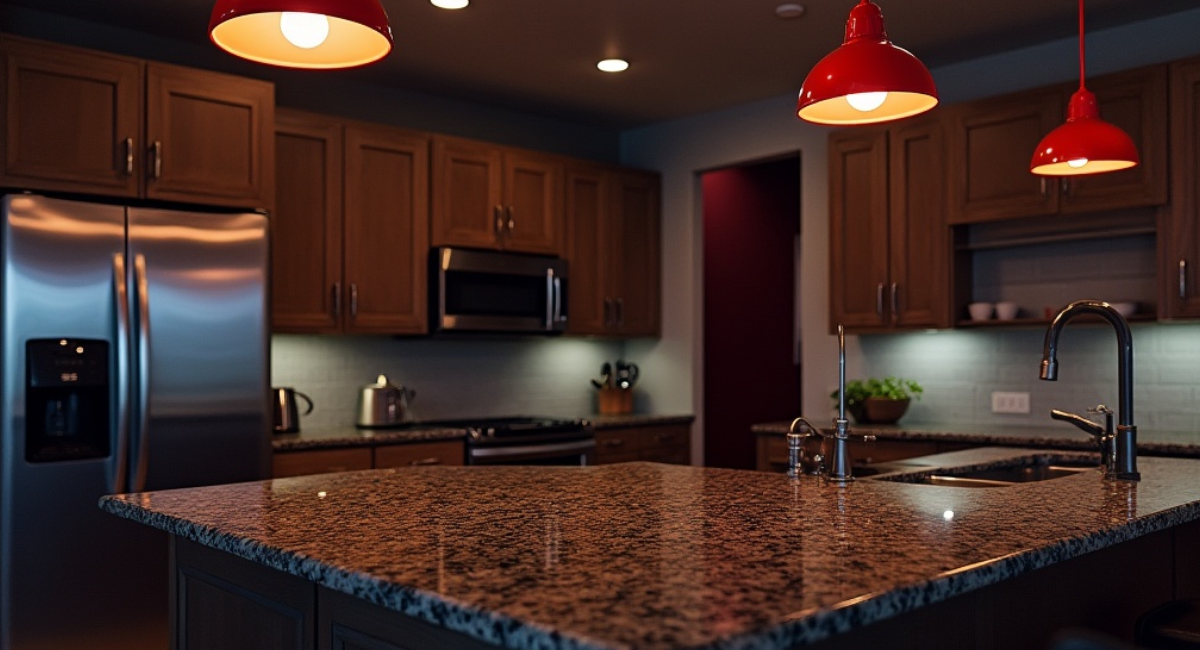
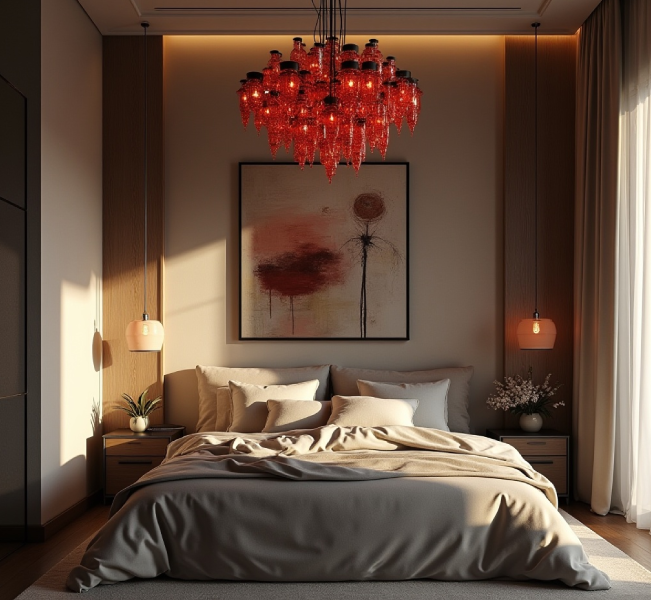
Decorative lights act as visual statements. They reflect personal taste and design intent. Consequently, fixture selection shapes the overall interior style. Popular styles include pendant lights, chandeliers, and wall lights. Pendant lights offer focused illumination. Therefore, they suit kitchens and dining spaces. Chandeliers add elegance and drama. Hence, they enhance living rooms and lobbies. Wall lights save space while adding depth. Thus, they work well in hallways and bedrooms.
Material choice also matters. Glass fixtures provide clarity and softness. Metal finishes add strength and modern appeal. Wood and fabric bring warmth and texture. As a result, materials influence both mood and style. Placement plays an equally important role. Well-positioned lights highlight architectural features. They also draw attention to artwork or furniture. Poor placement, however, causes glare and imbalance. Therefore, careful planning is essential.
Symmetry often creates visual order. However, asymmetrical lighting adds interest. Thus, designers choose placement based on purpose and style. In every case, lighting should complement the space. It should never overpower it.
Improving Functionality in Homes and Commercial Spaces
Decorative lights also support functionality. They combine beauty with practical performance. Therefore, they enhance daily living and work environments. In homes, decorative lighting improves comfort. Task lighting in kitchens increases safety. Reading lights in bedrooms reduce eye strain. Soft ambient lights support relaxation. Thus, lighting adapts to daily routines.
In commercial spaces, lighting affects productivity and experience. Offices need glare-free lighting. Therefore, employees stay focused longer. Retail stores use lighting to guide attention. As a result, products appear more appealing. Hotels rely on lighting to create comfort. Hence, guests feel welcomed and relaxed.
Energy efficiency adds another functional benefit. LED decorative lights consume less power. They also last longer. Therefore, maintenance costs remain low. Smart lighting systems increase control. Users can schedule, dim, or automate lights easily. Furthermore, decorative lighting supports inclusivity. Proper illumination helps people of all ages. It improves visibility and safety. Thus, well-designed lighting serves everyone equally.
- Enhances ambience
- Emotional comfort
- Visual balance
- Architectural and design
- Strengthens brand
- LED technology
Conclusion
Decorative lighting transforms modern interiors in meaningful ways. It shapes ambience, improves aesthetics, and supports functionality. Through careful selection of styles, materials, and placement, lighting enhances every space. Moreover, it influences mood, perception, and comfort. For homes, it creates warmth and personality.
For commercial spaces, it improves efficiency and experience. Therefore, decorative lighting is not optional anymore. It is essential. When planned thoughtfully, it turns ordinary interiors into elegant and purposeful environments.
Recent Posts