Facade Lighting Design That Enhances Architectural Identity, Visibility, and Brand Presence
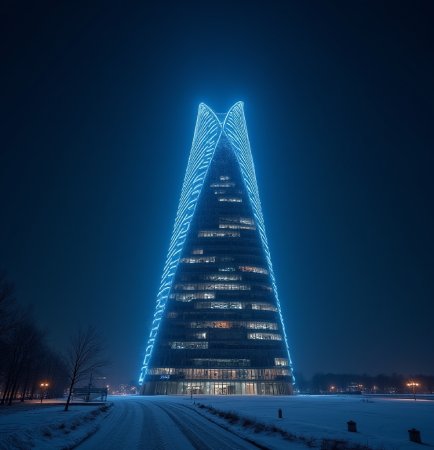
Facade lighting highlights architectural form, materials, and structure. It improves night-time visibility and strengthens brand identity. Moreover, it adds safety, elegance, and recognition to buildings. Therefore, well-designed facade lighting transforms buildings into visual landmarks after sunset.
Facade lighting plays a critical role in modern architecture. It defines how buildings appear at night. Moreover, it communicates identity, purpose, and quality. Today, cities demand visually engaging structures. Therefore, facade lighting has become essential. It blends aesthetics with function. It also supports branding and safety. When planned carefully, facade lighting enhances both design and perception.
Architecture is the learned game, correct and magnificent, of forms assembled in light.
Le Corbusier
Strengthening Architectural Identity Through Light
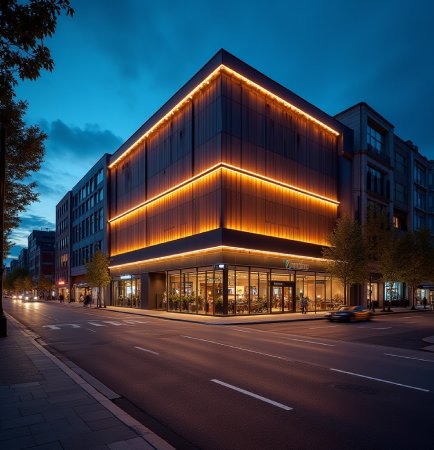
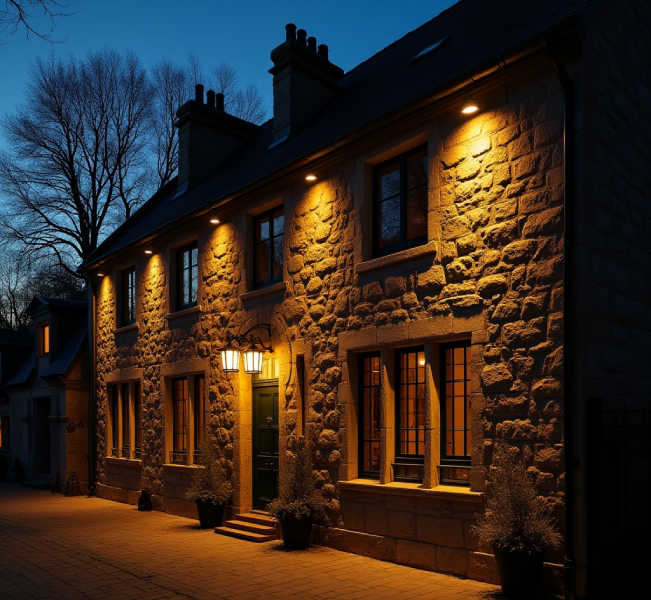
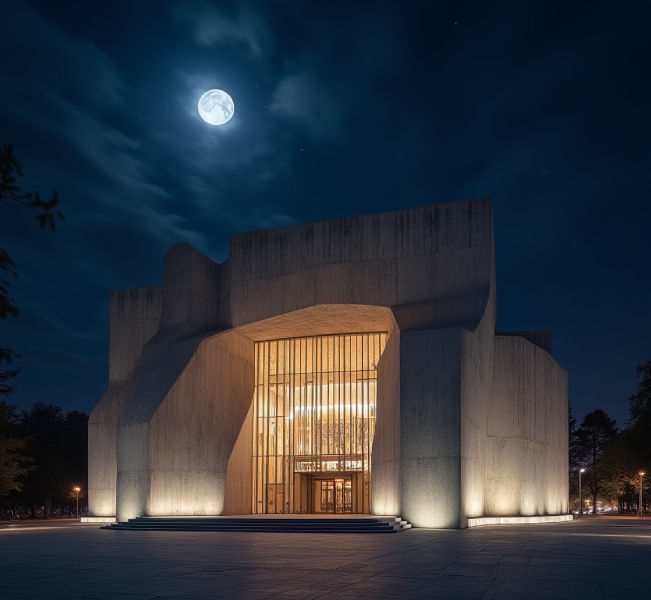
Facade lighting highlights architectural character. It reveals structure, texture, and form. As a result, buildings gain a strong night-time presence.
Lighting emphasizes lines and shapes. Therefore, architectural details remain visible after dark. Vertical lighting enhances height perception. Meanwhile, horizontal lighting increases visual width. Consequently, buildings appear balanced and proportional. Material-focused lighting improves surface appeal. Stone appears richer. Glass looks more refined. Metal gains depth. Thus, lighting enhances material quality without altering structure.
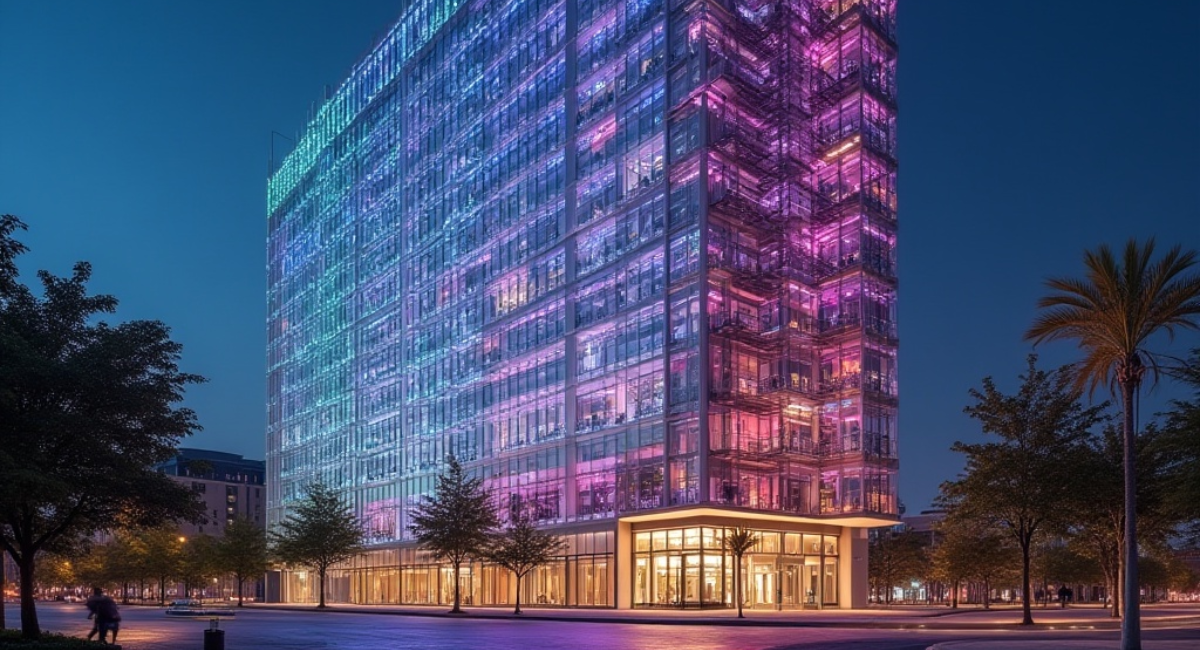
Color temperature also matters. Warm tones create elegance and heritage appeal. Cool tones express modernity and precision. Therefore, designers select tones carefully. Consistency ensures visual harmony. Facade lighting also supports storytelling. Light guides the viewer’s eye. It highlights focal elements. Therefore, buildings communicate purpose and identity clearly.
Improving Visibility, Safety, and Urban Appeal
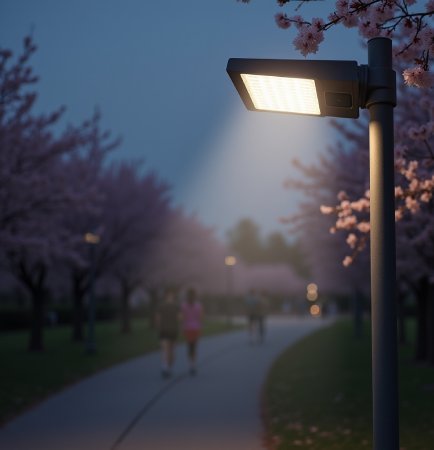
Facade lighting improves visibility. It helps buildings remain noticeable at night. Therefore, navigation becomes easier. Public safety also improves. Well-lit facades reduce dark zones. As a result, surroundings feel safer. Pedestrians gain confidence. Visitors feel welcome. Thus, lighting supports inclusive urban environments.
Cities benefit visually from facade lighting. Uniform lighting creates cohesive streetscapes. Meanwhile, landmark buildings gain distinction. Therefore, cities appear organized and vibrant. Glare control is equally important. Balanced brightness avoids discomfort. Soft illumination improves visual comfort. Thus, lighting remains functional and pleasant.
Energy-efficient lighting also matters. LED facade lights reduce power consumption. Therefore, operational costs decrease. Sustainability goals become achievable. Smart lighting systems further enhance control. Timers adjust brightness. Sensors respond to ambient light. Consequently, efficiency increases without sacrificing quality.
- Night visibility
- Pedestrian safety
- Urban cohesion
- Glare control
- Visual comfort
- Energy efficiency
- Smart controls
- Brand visibility
- Marketing support
- Professional image
Enhancing Brand Value and Commercial Presence
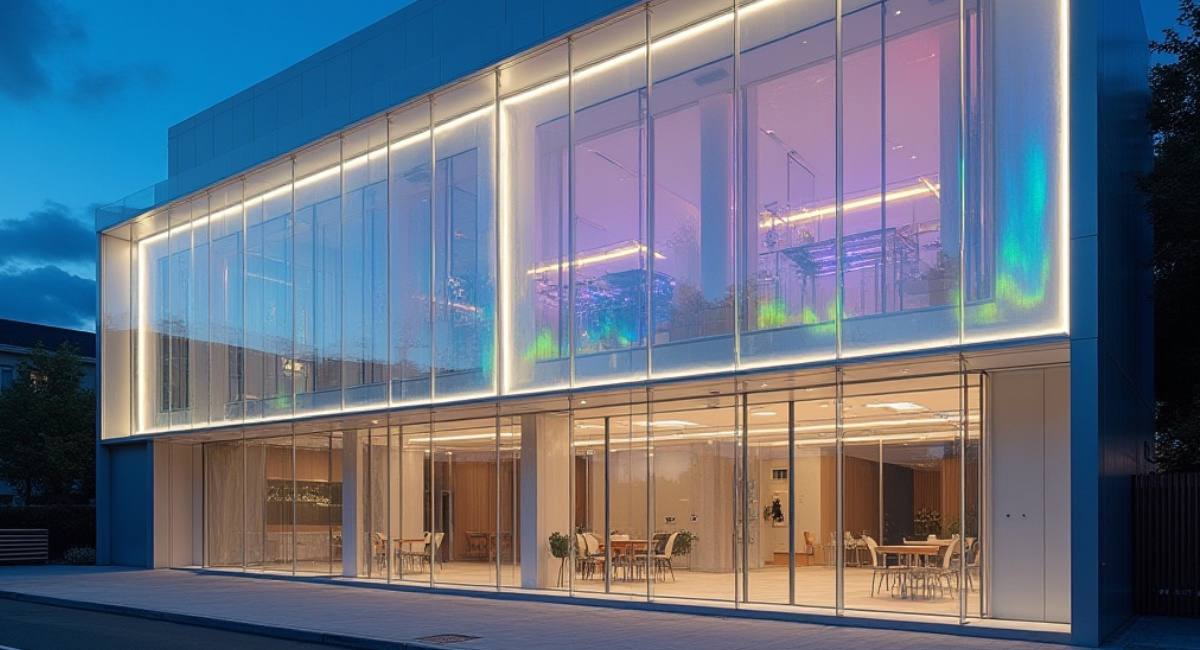
Facade lighting strongly influences brand perception. It creates first impressions. Therefore, it affects trust and recognition. Commercial buildings rely on visibility. Illuminated facades attract attention. Thus, businesses stand out at night. Hotels appear inviting. Corporate offices look professional. Retail spaces feel engaging.
Lighting colors reinforce brand identity. Consistent tones support recognition. Therefore, lighting becomes a branding tool. Subtle lighting conveys sophistication. Bold lighting expresses innovation. Facade lighting also supports marketing. Buildings become visual landmarks. They appear in photographs and media. Consequently, brand recall increases.
Consistency across properties strengthens brand presence. Standardized lighting design creates familiarity. Thus, customers recognize brands instantly. Maintenance also affects brand image. Reliable lighting shows professionalism. Poor lighting damages perception. Therefore, durability and quality matter.
Recent Posts