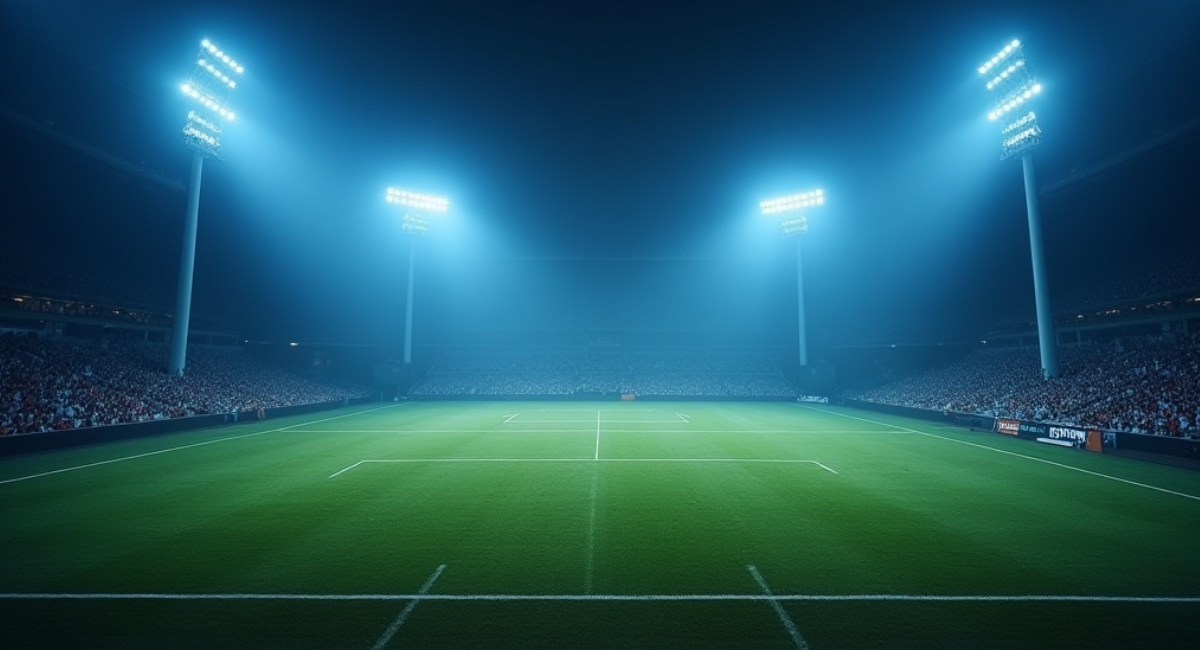
Flood Lights for Large Area Illumination That Deliver Uniform Brightness, Safety, and Efficiency
Flood lights provide wide, uniform illumination for large open areas. They improve safety, visibility, and productivity. Moreover, they support outdoor and industrial applications. Therefore, flood lighting remains essential for modern infrastructure and security-focused environments.
Flood lights play a vital role in lighting large spaces. They deliver powerful and evenly distributed brightness. As a result, open areas remain visible and safe. Today, flood lights support infrastructure, security, and operations. Moreover, modern flood lighting focuses on efficiency and durability. Therefore, these lights suit diverse outdoor and industrial needs.
Light gives life to space and allows work to happen safely.
Richard Kelly
Understanding Flood Lights and Their Core Purpose
Flood lights are designed for wide-area illumination. They spread light across large surfaces evenly. Therefore, shadows and dark spots reduce significantly. These lights use broad beam angles. As a result, fewer fixtures cover more area. This feature improves efficiency. It also simplifies installation planning. Consequently, operational costs remain controlled.
Flood lights serve many environments. Stadiums, parking areas, warehouses, and yards rely on them. Moreover, construction sites depend on flood lights for safety. Thus, these lights support both temporary and permanent setups.
Modern flood lights use LED technology. Therefore, they deliver high brightness with lower power use. Additionally, LEDs produce less heat. Hence, fixtures last longer and perform reliably. Durability also defines flood lights. Outdoor models resist dust and moisture. As a result, they function in harsh conditions. Therefore, reliability remains consistent across seasons.
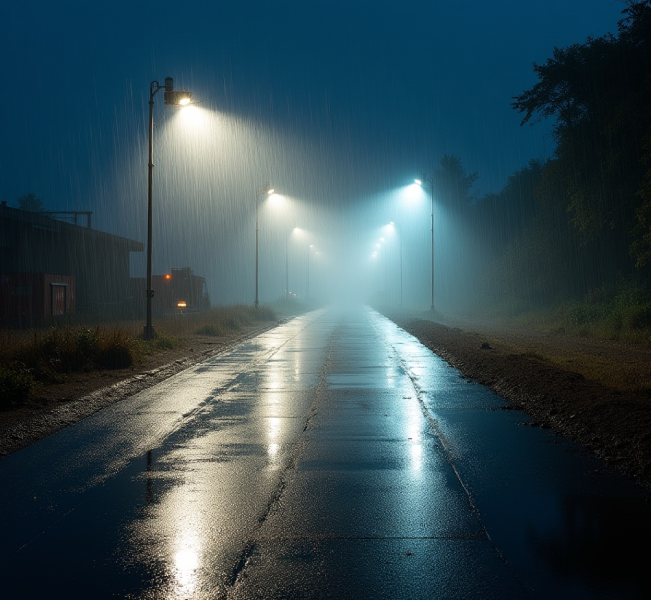
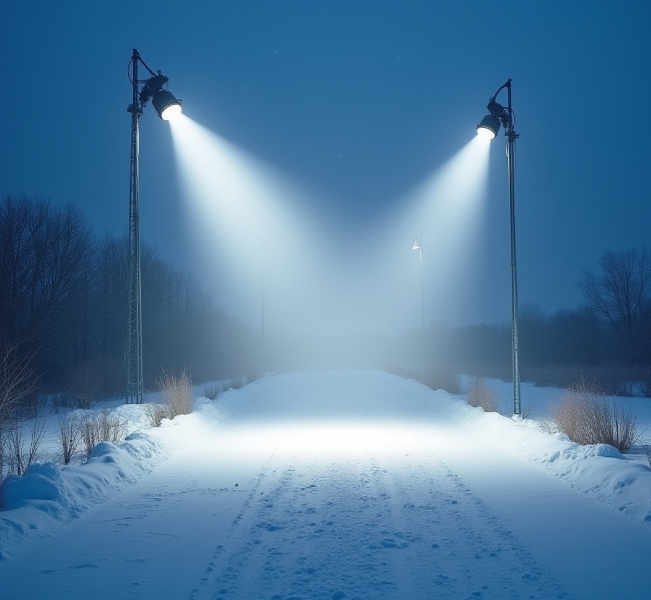
Applications of Flood Lights in Large Open Spaces
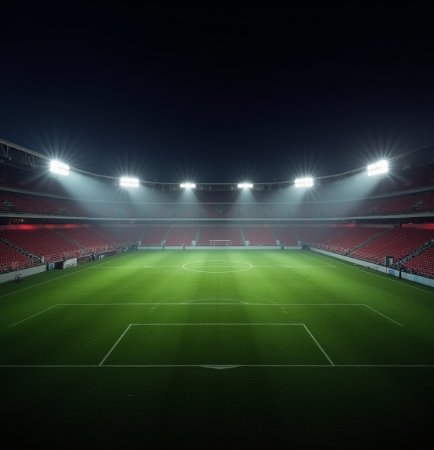
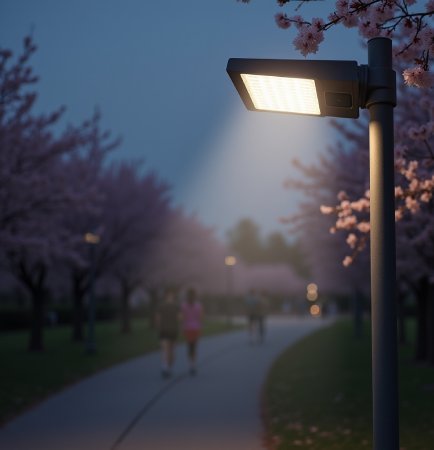
Flood lights improve safety in public spaces. Bright illumination increases visibility. Therefore, accidents and risks reduce significantly. Sports facilities depend on flood lighting. Uniform brightness supports fair play. Moreover, players see clearly. Audiences also enjoy better viewing. Thus, flood lights enhance sports experiences.
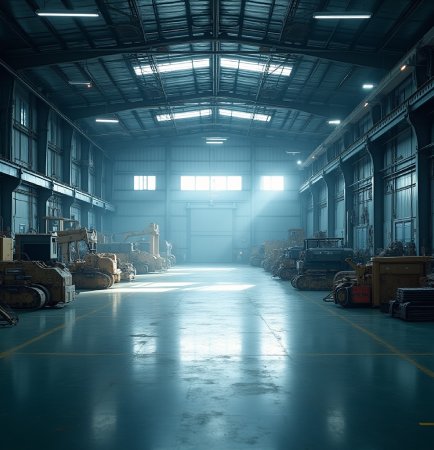
Industrial sites require consistent lighting. Flood lights illuminate loading areas and yards. As a result, workers operate safely. Productivity also improves under proper lighting. Commercial properties use flood lights for security. Well-lit areas deter unwanted activity. Therefore, premises remain protected. Retail complexes also benefit from enhanced night visibility.
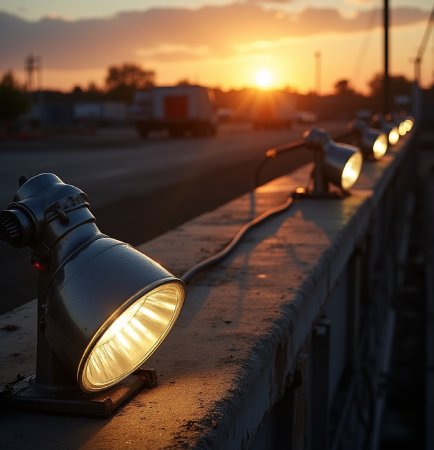
Infrastructure projects rely on flood lights. Roads, bridges, and construction zones need strong lighting. Consequently, operations continue safely after dark. Flood lights also support emergency response. Clear visibility helps quick action. Therefore, safety standards improve across environments.
- Wide coverage
- Uniform brightness
- Enhanced safety
- Energy efficiency
- Reduced shadows
- Durable design
- Lower maintenance
- Operational reliability
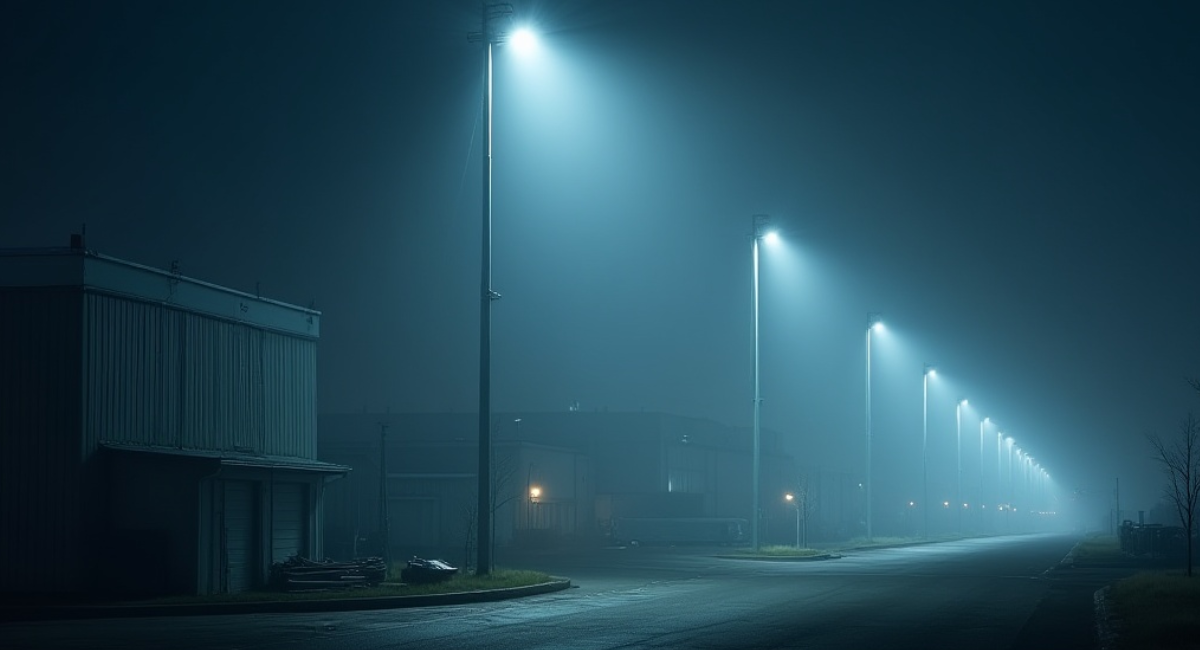
Efficiency, Design, and Performance Considerations
Efficiency remains a major advantage of modern flood lights. LED flood lights consume less energy. Therefore, electricity costs decrease noticeably. Uniform light distribution reduces eye strain. As a result, comfort improves for users. Balanced brightness also prevents glare. Thus, lighting feels practical and pleasant.
Design flexibility adds value. Adjustable brackets allow precise positioning. Therefore, light reaches intended areas. Custom beam angles further improve coverage. Weather resistance ensures consistent performance. High IP-rated fixtures resist rain and dust. Consequently, maintenance needs reduce. Long lifespan supports cost efficiency.
Smart controls enhance functionality. Timers manage operating hours. Motion sensors activate lights when needed. Therefore, energy waste reduces significantly. Sustainable lighting supports environmental goals. Lower power use reduces carbon impact. Hence, flood lights align with green initiatives.
Recent Posts